Hey everyone, Solar Lawn Light

If you’ve ever stopped to look at the string of warm, glowing lights lining your backyard patio or the small solar stakes dotting your front lawn at night, you’ve probably wondered: do these things actually hold up when it rains? As a solar lawn light supplier, I get this question all the time—and honestly, it’s one of the most important ones people ask. Because what’s the point of buying solar lawn lights if they die after the first light drizzle, let alone a full-on thunderstorm or a snowy winter?
Let’s cut to the chase: yes, most good solar lawn lights do have a waterproof rating. But here’s the thing that trips a lot of people up—waterproof rating terminology isn’t as simple as “can get wet” vs. “can’t.” It’s a standardized system called the IP (Ingress Protection) code, and it’s way more specific than you’d think. A lot of customers message me like “my last set of solar lights got rained on once and broke, so all of them must suck”… but really, they probably just didn’t check the IP rating properly. That’s what I’m here to clear up today, no confusing jargon, just real talk from someone who’s been in this industry for years.
First, let’s break down what that IP code actually means, in plain English. The IP rating is two numbers, right? Like IP65 or IP44. The first number is how well the light keeps solid stuff (dust, dirt, bugs) out, and the second number is the waterproof part. For solar lawn lights, the second number is the one we care about most. Let’s go over the most common ones you’ll see, because that’s what’ll make or break your purchase.
IP44 is the most basic waterproof rating you’ll find on budget solar lawn lights. What does that mean? The “4” means it can handle splashing water from any direction—like if you’re hosing off your patio and a little spray hits the light, or a light mist from a rain shower. But here’s the catch: it’s not for being fully submerged. So if you leave an IP44 light out in a heavy downpour all day, that’s probably fine. But if you accidentally kick it into a bucket of water or if it gets stuck under a running gutter that’s dumping water directly on it for hours? That’s when you might have issues. I’ve seen a lot of cheap imported lights labeled “waterproof” that only meet IP44, and they’ll die after a few months of consistent rain. They’re not bad for light drizzles, but they’re not made for harsh conditions.
Then there’s IP65, which is the sweet spot for most residential solar lawn lights. The “6” means dust-tight—so no dirt or gunk getting in, which is huge because solar panels need to stay clean to charge. The “5” means it can handle low-pressure water jets from any direction. Think of that like a strong garden hose spray, but not standing under the hose for 10 minutes straight. This is the rating we use for most of our solar lawn light models, and the reason is simple: it works for almost every situation a homeowner will throw at it. Heavy rain, snow melt, even being accidentally knocked over into a puddle for a minute—no problem. I’ve had customers email me after a whole winter of our lights being buried in slush and ice, saying they still work perfectly come spring. That’s the IP65 difference.
Wait, what about IP67? That’s the next step up. The “7” means it can be fully submerged in water up to 1 meter deep for 30 minutes. When would you need that? If you’re putting solar lawn lights around a koi pond, or in a spot that floods sometimes, or if you live somewhere with really harsh monsoon seasons. We don’t stock a ton of IP67 models because most homeowners don’t need that level of submergence, but we do have a few for folks who are setting up lights near water features. I always tell people: if you’re just lining your regular lawn or patio, IP65 is overkill. If you’re dealing with water, go for IP67.
Now, here’s the part that a lot of “too good to be true” solar light ads won’t tell you: the solar panel and the battery compartment are the two parts that really need the waterproofing. The actual light fixture itself is easy to seal, but the panel is usually on top, and the battery is inside the main body—those are the weak points. I’ve seen a lot of cheap lights with a “waterproof” label that only sealed the light, leaving the battery compartment wide open. So when water gets in through the panel’s edges, it kills the battery by the end of the first month. That’s why as a supplier, I test every single batch of our lights before shipping—we submerge small samples for 10 minutes, blast them with water jets, make sure not a drop gets in. No cutting corners here, because I don’t want customers coming back saying their lights broke in the rain.
Another common question: what about solar path lights vs. string lights vs. stake lights? Do their waterproof ratings differ? Yep, a little. String lights are usually IP44, because they’re strung up where they might get splashed but not submerged or heavily sprayed. Stake lights, which are pushed into the ground, are almost always IP65, since they’re in the yard where they’ll get lots of rain. That’s not a flaw—each is rated for its intended use. If someone buys a cheap string light that’s IP44 and tries to stick it in a garden bed that floods, that’s user error, not a bad product. I always make a note on our product pages explaining exactly where each light should be used, so people don’t make that mistake.
Let’s talk about what isn’t a waterproof rating, because there’s a lot of misinformation out there. You’ll see terms like “weatherproof” or “rainproof” on some cheap lights, and those are basically meaningless. There’s no governing body that defines what “rainproof” means—one company might say it means IP43, another might use it for IP55, which is totally different. That’s why I always tell customers to ignore any terms that aren’t IP followed by two numbers. If a light doesn’t list an IP rating, it’s probably not waterproof at all. I once had a customer send me a message saying their “rainproof” lights died after one light shower, and when I looked up the product, sure enough, there was no IP code listed. Just vague marketing fluff.
Now, let’s get to the real-world test, because numbers are great, but actual experience counts. Last year, we had a customer in Seattle—you know, the place where it rains for 8 months straight—emailing us saying their old set of lights (from a big box store, not ours) died after two months of drizzles. They switched to our IP65 stake lights, and sent us a picture 10 months later, with the lights glowing bright through a snow-covered January. Another customer in Arizona, where it gets super hot and monsoons hit hard in the summer, said their lights have been through some of the heaviest downpours the state has seen in years, and they’re still going strong. That’s the IP65 rating working as intended.
Wait, what about winter? People always ask if cold weather affects the waterproofing. The short answer is no—IP ratings are tested across temperatures, usually from -10°C to 50°C, so snow, ice, and frost don’t break the seal. The only thing I’d warn about is if you live somewhere where the ground freezes solid. If your stake is pushed into frozen ground, the area around the battery might crack if someone kicks it, letting water seep in. But that’s physical damage, not a waterproofing failure. Just be careful when shoveling around your lights in winter, and you’re good.
Now, as a supplier, I care way more about honesty than selling people something that’ll break. I’ll never lie about a light’s IP rating, and I’ll always steer customers to the right one for their needs. If someone tells me they’re putting lights on their balcony where they only get splashed by sprinklers, I’ll tell them an IP44 is fine, no need to pay more for IP65. If they’re putting them around a pool or pond, I’ll point them to our IP67 models. No upselling, just real advice.
A lot of people are still hesitant to buy solar lawn lights because they’re worried about water damage, and that’s totally valid. I’ve been in this long enough to know that bad experiences with cheap, unrated lights make people distrust the whole category. That’s why we make sure every light we sell has a clear, accurate IP rating, and we test every batch. We don’t cut corners on sealing the battery compartment or the solar panel, because that’s what makes the light last.
At the end of the day, the waterproof rating isn’t a trick—it’s a standardized way to know how your light will hold up to the elements. You don’t have to be an engineer to understand it, just remember: first number = dust, second number = water. For 90% of homeowners, IP65 is the perfect middle ground that works for rain, snow, and regular yard use. Don’t fall for marketing terms like “rainproof” that don’t mean anything, and always check the IP code before you buy.
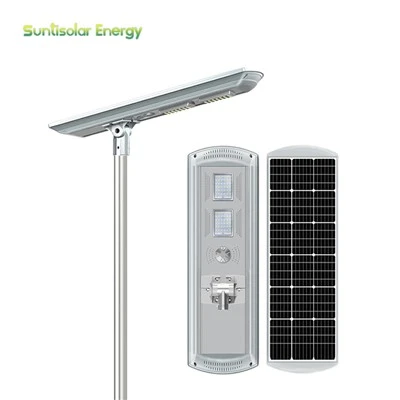
If you’re shopping for new solar lawn lights and want to talk through what’s right for your yard—whether you need lights for a dry patio, a rainy lawn, or near a water feature—we’re here to help. We’ve got a huge range of models, all with clear IP ratings, and we’re happy to answer any questions you have, no pressure to buy anything. Just reach out and tell us about your space, and we’ll point you in the right direction.
Solar Street Light References:
International Electrotechnical Commission. (2017). IEC 60529: Degrees of protection provided by enclosures (IP Code).
US Department of Energy. (2022. Solar Lawn and Landscape Lights: Performance and Durability Testing.
National Lighting Bureau. (2021. Guide to Ingress Protection Ratings for Outdoor Lighting.
Yantai Xutai New Energy Technology Co., Ltd.
Yantai Xutai New Energy Technology Co., Ltd. is one of the most professional solar lawn light manufacturers and suppliers in China. With a professional production team, we are able to meet the needs of the majority of our customers. Please rest assured to buy premium solar lawn light made in China here from our factory.
Address: No.229, Tongshinan Road, Zhifu District, Yantai City, Shandong Province, China
E-mail: Joe.chu@suntisolar.com
WebSite: https://www.suntisolar.com/
