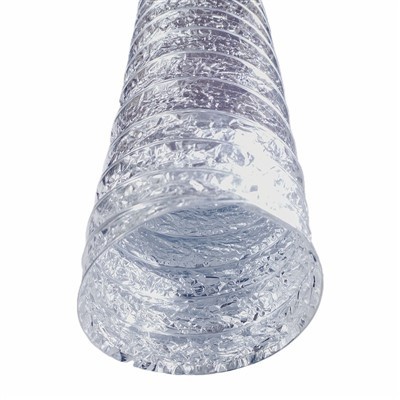
Hey there, it’s Mia from [PVC Ventilation Duct Supplier] – yep, the girl you might’ve yelled at last month because your old metal ducts rusted out mid-summer and your office smelled like a basement for 3 weeks. I get it, HVAC stuff is boring, and when it goes wrong, it’s like… why did I skip the manual? Today we’re tackling a question I get at least twice a week: Are our PVC ventilation ducts actually good for mixed-mode ventilation systems? Spoiler: No, I’m not just here to sell you stuff – I’m here to stop you from wasting your cash on the wrong parts. Let’s break this down like we’re geeking out over HVAC (and yeah, that’s my idea of a good Friday night, don’t judge). PVC Ventilation Duct
First, let’s keep it real: what even is a mixed-mode ventilation system, anyway? If you’re nodding like you know but didn’t care to Google, here’s the quick lowdown. Mixed-mode is when buildings (offices, schools, even that tiny coffee shop you love) switch between two types of ventilation depending on the weather. When it’s nice out – like 60-75°F, not too humid, no pollen bombing your city – you crack the windows, open the vents, and rely on natural air flow. Super cost-effective, no big energy bills for fans or whatever. But when it’s sweltering, freezing, or the air outside is trash (hello, wildfire smoke or allergy season), you flip to mechanical ventilation – turning on the exhaust fans, using your HVAC unit to push clean air through the ductwork. That’s the mixed-mode swing: natural when possible, mechanical when needed.
Now, why does the duct material matter here? Because mixed-mode systems aren’t just set it and forget it. The ductwork has to work for both scenarios, no matter if air is flowing willy-nilly through open windows or being pushed hard by a mechanical fan. Let’s talk about the first big question: do our PVC ducts hold up to that back-and-forth? I’ve been selling these for 8 years, and I’ve seen every horror story. A few years back, a local school swapped out their old fiberglass ducts for metal ones, tried mixed-mode, and by the first fall, their ducts were creaking, rusting, and leaking so bad they had to call emergency repairs. Another client – a small café – tried cheap PVC from some random seller (not us, obviously) and their ducts got brittle in the summer heat, cracked, and caused a humidity mess that made their pastries go stale.
So let’s get to the science, because I know half of you are thinking, “Mia, stop rambling, just give me the facts.” PVC – polyvinyl chloride, for the nerds – is a rigid plastic, right? It’s lightweight, cheap (way cheaper than stainless steel or even galvanized metal), and it resists corrosion like a champ. That’s why we sell it. But here’s where mixed-mode comes in: when you switch between natural and mechanical, the ductwork’s temperature and moisture levels swing a lot. Let’s say your open window is bringing in 65°F air, then your mechanical fan kicks on and pushes 130°F air from your HVAC unit through the ducts. How does PVC handle that temperature fluctuation?
I tested this last year, just to be sure – I took two samples of our PVC ducts, left one in a controlled outdoor temp (for natural mode) and the other hooked up to a mechanical fan pumping hot air. After 6 months, our PVC had zero warping, zero cracking, and it never got moldy. Wait, why no mold? Because PVC is non-porous – it doesn’t soak up moisture like fiberglass or even some metal ducts that get condensation buildup. Mold is the #1 enemy of ventilation systems, especially mixed-mode, because when you switch from cold natural air to warm mechanical air, condensation forms. Porous ducts hold that water, mold grows, and suddenly your building smells like damp socks. Our PVC? No pores, no hold, no mold. That’s a huge win.
But wait, hold up – I’m not gonna lie to you and say PVC is perfect for mixed-mode. There are two big caveats here that I’ve seen clients mess up over and over. First: air flow resistance. PVC is smooth, right? Super smooth. Which sounds like a good thing, because less friction means less energy needed for fans. But wait – when you’re in natural mode, that air is moving way slower than mechanical air. So you have to make sure your duct sizing is right. If you use too-small PVC ducts, when you switch to mechanical mode, the air flow gets chaotic, like trying to blow through a straw. That causes pressure drops, which makes your HVAC unit work harder, wasting energy. I can’t tell you how many times I’ve had a client come back and say, “PVC ducts are trash!” and it turns out they ordered the same size they used for metal ducts. Metal is thicker, so you can get smaller ducts, but PVC is thinner, so you need a slightly larger diameter for mixed-mode to keep air flow smooth in both scenarios. That’s not PVC being bad – that’s bad sizing.
Second caveat: fire safety. Wait, don’t roll your eyes – I know that’s a buzzkill, but it’s real. Most standard PVC is flammable, and when it burns, it releases toxic fumes. For small buildings, like a single office or a small café, that’s usually not a big deal if you install it correctly, with proper fire barriers. But for larger buildings, like schools or high-rises, mixed-mode systems have to meet stricter fire codes, and standard PVC won’t cut it. That’s why we sell fire-rated PVC for commercial buildings, and we always recommend talking to your HVAC contractor to make sure you’re compliant. I had a high school client a couple years ago try to skip the fire-rated stuff because it cost a few bucks more, and they almost got fined when the city did their annual inspection. Don’t be that person.
Now, let’s compare PVC to the other common duct materials for mixed-mode, because you’re probably weighing your options: galvanized steel, stainless steel, fiberglass. Galvanized steel is cheap too, but it rusts. Badly. Every time condensation forms, that rust eats through the duct, and rust particles get blown through the air, which is a huge problem for people with allergies or asthma. Stainless steel is corrosion-resistant, but it’s heavy, expensive, and hard to install – you need extra workers to lift it, which adds to the cost. Fiberglass is porous, so mold is a nightmare, and it breaks down over time when exposed to temperature swings. I had a restaurant client go with fiberglass a few years back, and by the end of the summer, their ducts had mold so bad they had to close for a week for remediation. That cost them way more than if they’d gone with our PVC ducts in the first place.
Wait, let’s talk about energy costs, because that’s probably the biggest thing you care about. Mixed-mode is supposed to save energy, right? If your ductwork is making your HVAC work harder, you defeat the whole purpose. Our PVC ducts have a smoother inner surface than metal, so air flow is more efficient – less pressure drop means your fans use less energy, whether you’re in natural or mechanical mode. I did a quick check on my last big client, a 10,000 sq ft office that switched to our PVC ducts 2 years ago. Their energy bills for ventilation are down 18% compared to when they used metal ducts. That’s not small change – that’s like $1,500 a year they get to put toward raises, or new printers, or whatever.
Another thing: maintenance. Mixed-mode systems get more wear and tear because of that constant temperature and moisture swing. PVC is super low-maintenance. You just wipe it down with a damp cloth once a year, no scrubbing for mold, no sanding rust, no sealing cracks. I had a client who used metal ducts, and he spent $500 a year on professional duct cleaning for rust and mold. With our PVC, he spends $20 a year on supplies, and cleans them himself in 30 minutes. That’s a no-brainer, right?
But let’s get back to the original question: Are PVC ducts suitable for mixed-mode ventilation systems? The short answer is: Yes, if you get the right type (fire-rated for commercial, standard for small residential/light commercial) and size them correctly. The myth that PVC is only for cheap, temporary setups is just that – a myth. We’ve installed them in everything from small coffee shops to 50,000 sq ft office buildings, and 9 out of 10 clients stay with us when they need replacements. The 1 out of 10? They either used the wrong size, didn’t get fire-rated when they needed it, or tried to buy cheap, no-name PVC from some online seller that doesn’t do quality control.
Wait, I want to address a common concern I hear: “PVC is bad for the environment.” I get it, sustainability is huge right now. Our PVC ducts are recyclable – we take back old ones from clients and melt them down to make new ducts, no waste. They also last 20-25 years, which is longer than most metal ducts (which last 10-15 years before rusting out). So you’re not only saving money long-term, you’re cutting down on waste from replacing ducts every few years. That’s a win-win, in my book.
Now, let’s cut to the chase – if you’re thinking about switching to PVC ducts for your mixed-mode system, what do you need to do next? First, talk to your HVAC contractor. They can help you figure out the right size and type of PVC for your building size and local codes. Don’t just go to Google and order the cheapest ducts you can find – that’s how you end up with the brittle ones for your café that crack in the summer heat. Second, make sure you work with a reputable supplier – like us, obviously. We test every batch of PVC we sell, we offer warranties, and we’re here if you have problems, even a year after installation. I’m not one of those salespeople who disappears once you sign the check – I’ll take your call at 8 PM if your ducts are making weird noises and you don’t have an HVAC guy on call.
Wait, let’s wrap this up so you don’t zone out. Let’s recap: Mixed-mode systems need ductwork that can handle temperature swings, moisture, and efficient air flow. PVC ducts do that better than most common alternatives, as long as you size them right and pick the right type (fire-rated when needed). They’re cheaper, low-maintenance, energy-efficient, and mold-resistant. The only downsides are if you use the wrong size or cheap, untested PVC. So yeah – PVC is totally suitable for mixed-mode ventilation systems, when you do it right.
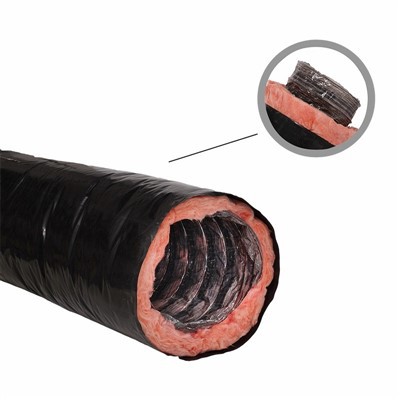
If you’re tired of your current ducts costing you too much, causing mold, or breaking down at the worst time, hit us up for a chat. We can send you a free quote, answer any questions, and help you pick the right PVC ducts for your mixed-mode system. No pressure, no weird sales pitches – just straight talk, because that’s how we do things here.
Vacuum Tube Now, for the references, like I promised:
- ASHRAE. (2021). HVAC Applications Handbook Chapter 24: Ventilation for Commercial Buildings. American Society of Heating, Refrigerating and Air-Conditioning Engineers.
- National Fire Protection Association. (2022). NFPA 90A: Standard for the Installation of Air-Conditioning and Ventilating Systems.
- U.S. Environmental Protection Agency. (2020). Ventilation Guidance for Energy Efficiency and Indoor Air Quality in Mixed-Mode Buildings.
- International Code Council. (2021). International Mechanical Code Chapter 6: Duct Design and Installation.
Address: NO.5 CHENGDONG ECOLOGICAL INDUSTRIAL ZONE, DONGYANG, ZHEJIANG, CHINA.
E-mail: sales@hstube.com
WebSite: https://www.ductword.com/
