Hey there! I’m a supplier of cement mixer trucks, and today I wanna talk about how to integrate a telematics system in a cement mixer truck. It’s a pretty cool topic, and it can bring a lot of benefits to our business. Cement Mixer Truck

First off, let’s talk about what a telematics system is. In simple terms, it’s a technology that combines telecommunications and informatics. It allows us to collect, transmit, and analyze data from the cement mixer truck. This data can include things like the truck’s location, speed, engine performance, and even the status of the mixing drum.
So, why would we want to integrate a telematics system into our cement mixer trucks? Well, there are several reasons. For starters, it can improve safety. By monitoring the truck’s location and speed, we can ensure that the driver is following the rules of the road and not taking any unnecessary risks. We can also get real – time alerts if there are any issues with the truck, like an overheating engine or a problem with the brakes.
Another big benefit is efficiency. With a telematics system, we can optimize the routes that the trucks take. We can avoid traffic jams and find the shortest and fastest way to the job site. This not only saves time but also reduces fuel consumption. And let’s face it, fuel is a major cost in the cement truck business, so any savings in this area are a big plus.
Now, let’s get into the nitty – gritty of how to integrate a telematics system. The first step is to choose the right system. There are a lot of different telematics systems out there, and not all of them are suitable for cement mixer trucks. We need to look for a system that can withstand the harsh conditions that these trucks operate in. Cement mixer trucks are often exposed to dust, vibrations, and extreme temperatures, so the system needs to be rugged and reliable.
Once we’ve chosen the system, the next step is to install it. This usually involves mounting the hardware on the truck. The hardware typically includes a GPS device, a data logger, and a communication module. The GPS device is used to track the truck’s location, the data logger collects information about the truck’s performance, and the communication module sends this data to a central server.
Installing the hardware is not too difficult, but it does require some technical knowledge. We need to make sure that the devices are properly connected and that the wiring is secure. It’s also important to test the system after installation to make sure that it’s working correctly.
After the hardware is installed, we need to set up the software. The software is what allows us to access and analyze the data collected by the telematics system. Most telematics systems come with a user – friendly interface that makes it easy to view the data. We can see things like the truck’s current location on a map, its speed history, and any alerts or warnings.
We can also use the software to set up custom reports. For example, we can generate reports on fuel consumption, engine performance, or driver behavior. These reports can help us make informed decisions about how to improve our operations.
One of the key aspects of integrating a telematics system is training the drivers. They need to understand how the system works and what information it provides. We can hold training sessions to teach them how to use the system and how to respond to the alerts. It’s also important to make sure that the drivers are comfortable with the system and that they see the benefits of using it.
In addition to the technical aspects, we also need to consider the legal and privacy issues. We need to make sure that we are complying with all the relevant laws and regulations when it comes to collecting and using the data. We also need to be transparent with the drivers about what data is being collected and how it will be used.
Another thing to keep in mind is that the telematics system is not a one – time installation. We need to regularly maintain and update the system to ensure that it continues to work properly. This includes things like software updates, hardware replacements, and data backups.
Now, let’s talk about the impact of integrating a telematics system on our business. As I mentioned earlier, it can improve safety and efficiency. But it can also have a positive impact on customer satisfaction. By being able to provide real – time information about the location and status of the trucks, we can give our customers better service. They can track the progress of their orders and know exactly when the cement will be delivered.
It can also help us with fleet management. We can better allocate our resources, such as trucks and drivers. We can see which trucks are being used the most and which ones are sitting idle. This allows us to make more efficient use of our fleet and reduce costs.
In conclusion, integrating a telematics system in a cement mixer truck is a great way to improve our business. It offers a lot of benefits in terms of safety, efficiency, and customer satisfaction. If you’re in the cement mixer truck business, I highly recommend considering integrating a telematics system.
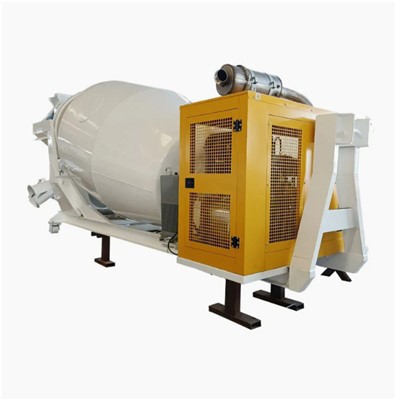
If you’re interested in learning more about how a telematics system can benefit your cement mixer truck operations or are looking to purchase trucks with integrated telematics, feel free to reach out. We’re here to answer any questions you might have and discuss how we can work together to optimize your fleet.
Concrete Pump Truck References:
- Industry reports on telematics in the transportation sector
- Manufacturer’s guides for telematics systems
- Case studies on the implementation of telematics in heavy – duty vehicles
Shandong Fuxin Automobile Technology Co., Ltd.
We’re well-known as one of the leading cement mixer truck manufacturers and suppliers in China, featured by quality products and good price. Please rest assured to buy advanced cement mixer truck made in China here from our factory. Contact us for more details.
Address: West of Nanshou Road, Beihai Road, Weifang City, Shandong Province
E-mail: h17616861003@gmail.com
WebSite: https://www.fuxinautomobile.com/
