Can respiratory protection be used in combination with other personal protective equipment? Respiratory Protection
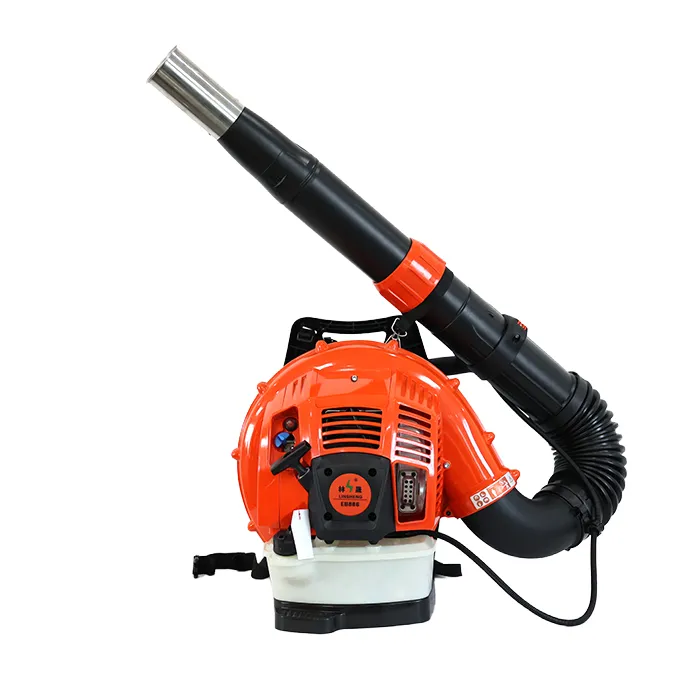
As a supplier of respiratory protection products, I often encounter questions from customers about the compatibility and combined use of respiratory protection with other personal protective equipment (PPE). This is a crucial topic, especially in industries where workers face multiple hazards simultaneously. In this blog post, I will explore the feasibility and best practices of using respiratory protection in conjunction with other PPE.
Understanding the Need for Combination PPE
In many work environments, workers are exposed not only to airborne contaminants but also to other physical, chemical, or biological hazards. For example, in construction sites, workers may be at risk of inhaling dust, fumes, and gases while also facing the danger of falling objects, sharp tools, and electrical hazards. In healthcare settings, medical staff need to protect themselves from infectious agents in the air as well as from contact with bodily fluids and sharp instruments. In such cases, using respiratory protection alone is not sufficient; it must be combined with other appropriate PPE to provide comprehensive protection.
Compatibility of Respiratory Protection with Other PPE
The key to successful combination use of PPE is ensuring compatibility. Different types of PPE are designed to protect specific parts of the body, and they need to work together without interfering with each other’s functionality. Here are some common types of PPE and their compatibility with respiratory protection:
1. Head Protection
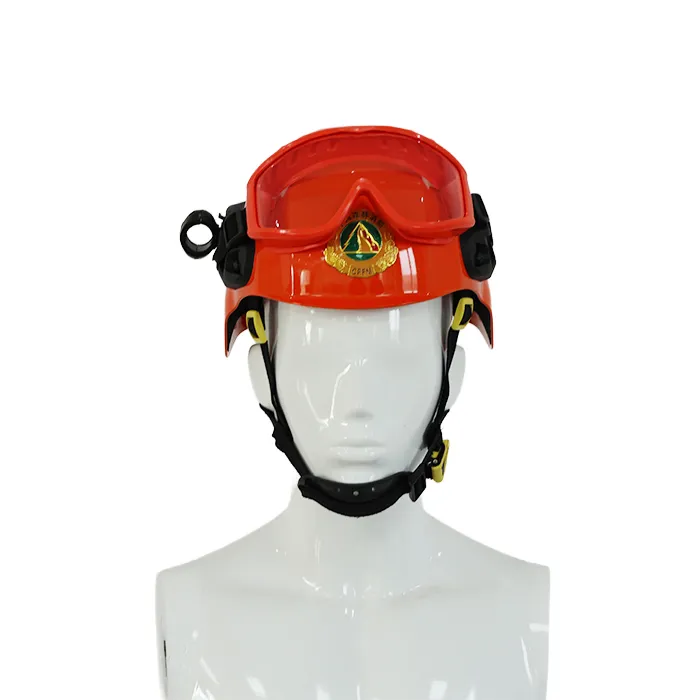
Hard hats are a standard form of head protection in many industries. When using a respiratory protection device such as a respirator, it is important to ensure that the hard hat does not interfere with the proper fit and seal of the respirator. Some respirators are designed to be worn with hard hats, and they may have features such as adjustable straps or low-profile designs to minimize interference. In general, it is advisable to choose a hard hat and a respirator that are specifically recommended for combined use by the manufacturers.
2. Eye and Face Protection
Safety glasses, goggles, and face shields are used to protect the eyes and face from flying debris, chemicals, and radiation. When using respiratory protection, it is essential to ensure that the eye and face protection does not cause pressure points or gaps in the respirator seal. Some respirators come with built-in visors or can be used in combination with compatible eye protection. For example, goggles with a wide field of view and a comfortable fit can be worn over a half-mask respirator without affecting the seal.
3. Hand Protection
Gloves are used to protect the hands from cuts, abrasions, chemicals, and biological agents. When using a respirator, it is important to ensure that the gloves do not interfere with the operation of the respirator, such as adjusting the straps or changing the filters. Some gloves are designed to be flexible and allow for easy manipulation of small objects, which can be beneficial when using a respirator. Additionally, it is important to choose gloves that are compatible with the chemicals or substances that the worker may be exposed to.
4. Body Protection
Protective clothing, such as coveralls, aprons, and suits, is used to protect the body from physical, chemical, and biological hazards. When using respiratory protection, it is important to ensure that the protective clothing does not restrict the movement of the respirator or cause discomfort. Some protective clothing is designed to be lightweight and breathable, which can help to reduce heat stress when wearing a respirator for extended periods. Additionally, it is important to choose protective clothing that is compatible with the type of respirator being used.
Best Practices for Combining Respiratory Protection with Other PPE
To ensure the effective use of respiratory protection in combination with other PPE, the following best practices should be followed:
1. Conduct a Hazard Assessment
Before selecting and using PPE, a thorough hazard assessment should be conducted to identify the specific hazards present in the work environment. This will help to determine the appropriate types of PPE that are needed and ensure that they are used in combination effectively.
2. Choose Compatible PPE
When selecting PPE, it is important to choose products that are specifically designed and recommended for combined use. This will help to ensure that the PPE does not interfere with each other’s functionality and provides the necessary level of protection.
3. Train Workers on Proper Use
Workers should receive comprehensive training on the proper use, maintenance, and care of all PPE, including respiratory protection. This will help to ensure that the PPE is used correctly and that workers understand the importance of using it in combination to protect themselves from multiple hazards.
4. Conduct Fit Testing
Fit testing is essential to ensure that the respirator provides a proper seal and effective protection. Workers should undergo fit testing before using a respirator and at regular intervals thereafter. Fit testing should also be conducted when using a respirator in combination with other PPE to ensure that the fit is not affected.
5. Inspect and Maintain PPE Regularly
PPE should be inspected regularly for damage, wear, and tear. Any damaged or worn PPE should be replaced immediately. Additionally, PPE should be cleaned and maintained according to the manufacturer’s instructions to ensure its continued effectiveness.
Benefits of Combining Respiratory Protection with Other PPE
The combination use of respiratory protection with other PPE offers several benefits, including:
1. Comprehensive Protection
By using respiratory protection in combination with other PPE, workers are protected from multiple hazards simultaneously. This provides a higher level of protection and reduces the risk of injury and illness.
2. Improved Comfort and Productivity
When PPE is used in combination effectively, it can be more comfortable to wear, which can improve worker productivity. For example, choosing PPE that is lightweight, breathable, and easy to use can help to reduce fatigue and discomfort.
3. Compliance with Regulations
Many industries are subject to regulations regarding the use of PPE. By using respiratory protection in combination with other PPE, employers can ensure compliance with these regulations and avoid potential fines and penalties.
Conclusion
In conclusion, respiratory protection can and should be used in combination with other personal protective equipment to provide comprehensive protection in work environments where workers face multiple hazards. However, it is essential to ensure compatibility between the different types of PPE and to follow best practices for their selection, use, and maintenance. By doing so, employers can protect their workers from injury and illness and ensure compliance with regulations.
If you are interested in learning more about our respiratory protection products or need assistance in selecting the appropriate PPE for your work environment, please contact us to discuss your specific needs and requirements. We are committed to providing high-quality respiratory protection solutions that meet the highest standards of safety and performance.
Light-duty Fire Pump References
- Occupational Safety and Health Administration (OSHA). Personal Protective Equipment Standards.
- American National Standards Institute (ANSI). Standards for Personal Protective Equipment.
- National Institute for Occupational Safety and Health (NIOSH). Guidelines for the Selection and Use of Respiratory Protection.
Zhenjiang Linhao Forest Fire Prevention Equipment Co., Ltd.
Zhenjiang Linhao Forest Fire Prevention Equipment Co., Ltd. is one of the most reliable manufacturers and suppliers of respiratory protection in China, featured by quality products and low price. Please rest assured to wholesale customized respiratory protection from our factory. Contact us for quotation and free sample.
Address: No.16,Fenghuangshan Road, Runzhou District, Zhenjiang City, Jiangsu Province
E-mail: lh@lhfirefighting.com
WebSite: https://www.lhfirefighting.com/
