Can ceramic blades be used for cutting plastic?
As a supplier of ceramic blades, I often encounter inquiries from clients regarding the suitability of our ceramic blades for various applications, with one common question being whether ceramic blades can be used for cutting plastic. In this blog post, I’ll delve into the technical aspects, advantages, limitations, and practical considerations of using ceramic blades for cutting plastic. Ceramic Blades

Technical Insights
Ceramic blades are typically made from extremely hard materials such as zirconium dioxide (ZrO₂). Zirconia ceramics have a hardness close to that of sapphire and diamond, ranking around 8 – 9 on the Mohs scale, while most plastics have a much lower hardness. For example, polyethylene, a common plastic, has a hardness of about 0.2 – 0.3 on the Mohs scale, and polypropylene has a similar softness.
This significant difference in hardness means that ceramic blades can easily make incisions into plastic materials. The sharpness of ceramic blades is another crucial factor. The manufacturing process of ceramic blades allows for a razor – thin edge, which can smoothly cut through plastics without excessive extrusion or deformation of the material. Unlike some metal blades, ceramic blades do not have the tendency to build up heat during cutting, as they have very low thermal conductivity. This is beneficial when cutting plastics because heat can cause the plastic to melt, warp, or develop a rough cut surface.
Advantages of Using Ceramic Blades for Cutting Plastic
-
Longevity: One of the most significant advantages of ceramic blades for cutting plastic is their exceptional durability. Due to their high hardness, ceramic blades are resistant to wear and tear. When compared to traditional steel blades, which can quickly become dull when cutting plastics that may contain abrasive fillers, ceramic blades can maintain their sharpness for a substantially longer time. This means fewer blade changes, less downtime, and ultimately, cost – savings for businesses engaged in plastic cutting operations.
-
Clean Cuts: The sharp edges of ceramic blades enable clean and precise cuts on plastic materials. Whether it’s a thin plastic film or a thick plastic sheet, ceramic blades can make smooth incisions without leaving behind rough edges, burrs, or frayed areas. This is particularly important in industries where the aesthetic appearance and quality of the cut plastic pieces are critical, such as the production of plastic packaging, signage, and consumer electronics components.
-
Non – Metallic and Non – Magnetic: Ceramic blades are non – metallic, which makes them suitable for cutting plastics in applications where metal contamination is a concern. For example, in the food packaging industry, using a non – metallic blade ensures that there is no risk of metal particles getting into the food product. Additionally, the non – magnetic property of ceramic blades can be advantageous in cutting plastics used in electronic equipment, as it eliminates the possibility of magnetic interference.
-
Chemical Resistance: Ceramic materials are highly resistant to many chemicals. When cutting plastics that may come into contact with various chemicals during their production or use, a ceramic blade will not corrode or react with these substances. This chemical stability ensures the integrity of both the blade and the plastic being cut, and it also extends the lifespan of the blade.
Limitations of Using Ceramic Blades for Cutting Plastic
- Brittleness: The main drawback of ceramic blades is their brittleness. Although they are very hard, they can be prone to chipping or cracking if subjected to excessive force or if they encounter an unexpected hard object while cutting plastic. For example, if there are impurities or hard inclusions in the plastic material, it may cause damage to the ceramic blade. Therefore, careful handling and proper selection of the plastic material to be cut are essential.
- Initial Cost: Compared to conventional metal blades, ceramic blades generally have a higher upfront cost. This can be a deterrent for some small – scale operations or projects with a tight budget. However, considering the long – term cost savings due to their extended lifespan and reduced need for blade replacement, the investment in ceramic blades can be justified for larger – scale and high – volume plastic cutting tasks.
Practical Considerations for Using Ceramic Blades to Cut Plastic
- Blade Selection: Different types of plastics have varying properties, such as flexibility, density, and melting points. For softer and more flexible plastics like PVC film, a thinner and more delicate ceramic blade may be appropriate to ensure a smooth cut. In contrast, for harder plastics like acrylic or polycarbonate sheets, a thicker and more robust ceramic blade might be required to withstand the cutting forces.
- Cutting Speed and Pressure: When using ceramic blades to cut plastic, it is important to control the cutting speed and pressure. Excessive speed or pressure can increase the risk of blade damage, especially given the brittleness of ceramic. A slow and steady cutting pace with just enough pressure to make the cut is usually recommended. This approach not only protects the blade but also results in a better – quality cut.
- Maintenance: Proper maintenance of ceramic blades is crucial for their long – term performance. After each use, the blades should be cleaned to remove any plastic residue. A soft brush or cloth and a mild cleaning solution can be used. It’s also important to store the blades properly in a protected case to prevent accidental damage.
Real – World Applications
- Plastic Packaging Industry: In the production of plastic bags, pouches, and containers, ceramic blades are widely used for cutting operations. Their ability to make clean cuts ensures the integrity of the packaging, and their non – metallic nature eliminates the risk of food contamination in food packaging applications.
- Plastic Sheet Fabrication: For cutting large plastic sheets for use in construction, signage, or displays, ceramic blades provide a high – precision cutting solution. The clean edges they produce contribute to the overall quality of the final product.
- Electronics Manufacturing: In the assembly of electronic devices, plastic components often need to be cut to specific sizes and shapes. Ceramic blades are used because they do not generate heat or magnetic interference, which could otherwise damage sensitive electronic parts.
Conclusion
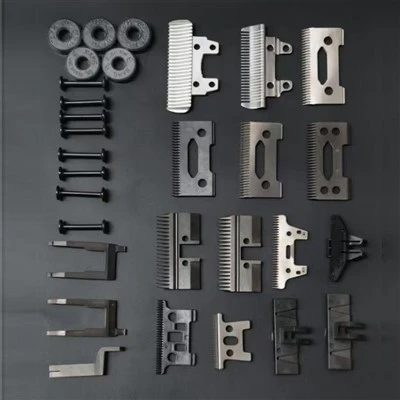
In summary, ceramic blades can indeed be used for cutting plastic, and they offer numerous advantages in terms of durability, cut quality, and chemical resistance. However, their brittleness and relatively high initial cost are factors that need to be considered. By understanding the technical characteristics of ceramic blades and taking appropriate practical considerations into account, businesses can effectively utilize ceramic blades in their plastic cutting operations.
Photovoltaic Equipment Ceramics If you are in search of high – quality ceramic blades for your plastic cutting needs, feel free to reach out to us for more information. We are committed to providing professional advice and top – notch products to meet your specific requirements. Contact us to start a procurement discussion today.
References
- "Ceramics: Structure, Properties, and Processing", Randall M. German, ASM International
- "Plastics Engineering Handbook", Joseph A. Brydson, Butterworth – Heinemann
- Technical reports from ceramic blade manufacturers
Haining Yifeng Ceramic Technology Co., Ltd.
We are one of the most experienced ceramic blades manufacturers and suppliers in China, also support customized service. Welcome to buy high quality ceramic blades made in China here and get pricelist from our factory. For price consultation, contact us.
Address: No. 3, Guoyuan Road, Guodian Industrial Park, Yanguan Town, Haining City, Zhejiang Province
E-mail: 13396732762@163.com
WebSite: https://www.yifengcer.com/
