Hey everyone, it’s [Your Name] here, and if you’ve ever ordered pre-packaged snacks, frozen meals, or even blister-packed hardware, you’ve probably interacted with rollstock film without even realizing it. As someone who’s been supplying these films for over 10 years, I get asked all the time: “What’s rollstock film even made of? It seems like just plastic, right?” Spoiler—there’s way more to it than that. Today, I’m breaking down the core materials that go into making this stuff, and why the mix matters way more than you’d think. Rollstock Film
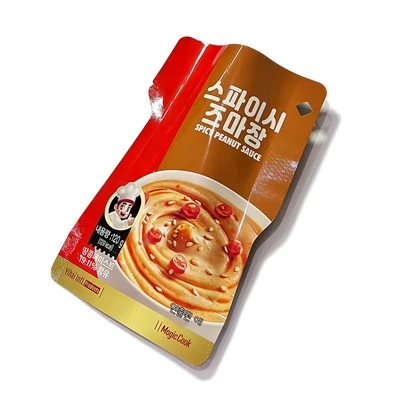
First off, let’s keep it simple. Rollstock film (sometimes just called rollstock for short) is that flexible, rollable material that gets formed, filled, and sealed into packaging on automated lines. It’s not a single film—it’s almost always a multi-layered structure. Think of it like a sandwich, where each layer has a specific job. If you tried to use a single plastic film for everything, it would fail at like 90% of packaging needs. Let’s start with the main base materials, because those are the building blocks of every rollstock we supply.
The most common base stuff we work with is polyethylene, or PE. I can’t stress how often PE comes up. There are a ton of types, too—low-density PE (LDPE), linear low-density PE (LLDPE), high-density PE (HDPE). Wait, what’s the difference? LDPE is super flexible, stretchy, and cheap, so we use it a lot for the inner seal layer—you know, the part that gets heated up to close the package. LLDPE is a bit more durable, better for stretch resistance, so we mix it with LDPE when we need a seal that won’t tear if someone squeezes the bag too hard. HDPE is stiffer, clearer, and has better barrier properties against moisture, so we might use it as an outer layer for things like frozen vegetables, where keeping water out is key. Yeah, PE is a workhorse, no lie.
Next up, polypropylene, or PP. PP is the go-to when we need something that’s tough and can handle higher temperatures. Like, if you’re packaging microwavable meals, PP is perfect because it won’t melt when you heat it up. We also use it for outer layers where we need good printability—PP takes ink way better than PE, so if a bag has a bright logo or product info, that’s probably PP on the outside. There’s also oriented PP (OPP), which is stretched during manufacturing to make it thinner, clearer, and way stronger than regular PP. That’s what you see on candy wrappers or snack bags, usually. I actually just ran a big order for a local chip brand last month that used OPP as the outer layer, and they loved how the prints popped without being too expensive.
Then there’s polyester, or PET. Wait, no, that’s not the plastic water bottle stuff—well, technically it is, but for rollstock, we use a specific type called oriented PET (OPET). OPET is super thin, crystal clear, and has amazing barrier against oxygen. Oxygen is the enemy of a lot of food, right? It makes snacks go stale, meat turn brown, or even medicine degrade. So if you have a bag of coffee that stays fresh for weeks, that almost definitely has an OPET layer blocking oxygen. We use OPET a lot for specialty packaging, too—like for medical devices, where you need to keep out germs and air without obscuring the product. The only downside? OPET isn’t great at sealing, so it’s always paired with a PE inner layer. It’s the wingman of rollstock, honestly.
Now, let’s talk about the not-so-obvious layers that make rollstock actually work. Because like I said, it’s a sandwich, and you can’t just slap layers together without a glue. Wait, no—we don’t use liquid glue, that’s messy and expensive. We use what’s called adhesives, but specifically for multi-layer films, it’s usually dry lamination adhesives or extrusion lamination. Dry lamination uses a thin layer of adhesive that gets dried, then we press the two films together. Extrusion lamination is when we melt a thin layer of PE (or another plastic) and squeeze it between two other films to bond them. Both work, and we pick whichever is better for the job—like, dry lamination is good for high-barrier medical films, while extrusion is cheaper for food packaging that just needs basic moisture protection.
Then there are the specialty additives, because even if you have the right plastic, you might need to tweak it for specific needs. Let’s say you have a bag of salad—you need it to breathe a little, right? If it’s totally airtight, condensation builds up and makes the lettuce go slimy. So we add a small amount of anti-fog agents, which are usually surfactants that make the water droplets spread out instead of beading up. No more weird foggy bags at the grocery store, win.
Another common additive is slip agents. Rollstock comes in huge rolls, right? If the film is too sticky, it won’t unwind smoothly on the packaging machine. Slip agents are like a tiny lubricant that makes the layers slide past each other without sticking. Perfect for keeping those automated lines running fast—no one wants a production line shutting down because the film got stuck. We also have UV stabilizers for products that need to be stored outside or in windows, like sunflower seeds or garden tools. UV light breaks down plastic, so adding stabilizers makes the film last longer and keeps the product protected.
Wait, what about barrier layers that aren’t PET? Sometimes we use EVOH, which is ethylene vinyl alcohol. EVOH is like the oxygen barrier on steroids—way better than OPET for keeping air out. The only catch is EVOH absorbs moisture, so we always layer it between two PE layers to protect it. So that’s a five-layer sandwich sometimes: PP outer, PET, EVOH, LLDPE, PE inner. Each layer has a job, none of them doing the same thing. We also use PVDC (polyvinylidene chloride) for some high-barrier applications, though it’s less common now because of environmental concerns. A lot of brands are moving to EVOH or bio-based alternatives, which I’ll get to in a sec.
Speaking of bio-based materials, that’s been a huge request from customers lately, and we’ve stepped up to supply rollstock made with sustainable stuff. The most common is bio-based PE made from sugarcane instead of fossil fuels. It works almost exactly like regular PE, but has a way lower carbon footprint. We also have rollstock made with PLA (polylactic acid), which is from corn starch or sugarcane. PLA is biodegradable, so it’s great for brands that want compostable packaging. The only downside is PLA isn’t as strong or heat-resistant as PP or PE, so we usually mix it with other materials to make it durable enough. We just finished testing a compostable rollstock line for a local organic snack company, and they’ve been raving about how it works just as well as plastic, but customers love the eco angle.
Let me also clear up a common misconception: rollstock isn’t just for food. We supply it for medical devices—like sterile packaging for syringes or bandages. For that, we use layers that are non-toxic, don’t leave any residues, and can be sterilized with gamma radiation or ethylene oxide. We also do rollstock for hardware, like blister packs for screws or phone chargers, which need to be tough enough to protect the product during shipping. Even pet food bags are usually rollstock—they need to keep moisture and bugs out, so we mix PE, PP, and sometimes a barrier layer to keep the food fresh.
Wait, why do we use multi-layer films instead of one thick layer of plastic? Let’s do a quick cost-benefit. If you made a rollstock from a single thick layer of PE to get good barrier, it would be super expensive, stiff, and hard to run on machines. By mixing thin layers of different materials, you get all the properties you need at a fraction of the cost, and it’s thin enough to be flexible and roll up nicely. Also, you can customize it for exactly what the customer needs. If someone needs a package that only needs moisture protection, we do a 2-layer PE film. If they need oxygen and moisture protection for coffee, we do a 4-layer with EVOH. No one-size-fits-all here, and that’s what makes rollstock such a versatile product.
I’ve been in this game long enough to see how materials have changed. Ten years ago, almost all rollstock was made from virgin fossil-based plastics, but now more customers are asking for recycled content. We now supply rollstock with post-consumer recycled (PCR) PE or PP, which uses plastic that would’ve gone to landfill. We make sure the PCR material is tested, so it doesn’t have any contaminants that would make it unsafe for food or medical use. It’s not perfect—PCR can have slight variations in color or texture—but most customers don’t even notice, and it’s a great way to reduce waste.
Let me also touch on what goes into making sure these materials work together. It’s not just buying PE, PP, and PET and slapping them together. We test every roll we make for seal strength, barrier properties, clarity, and flexibility. If a customer is packaging cheese, we test how well the film blocks oxygen to make sure the cheese doesn’t go bad in transit. If it’s a frozen food, we test how the film handles being at -20°C for months without cracking. We even test print adhesion, because if the logo rubs off the bag at the store, that’s a problem. As a supplier, that’s my job—making sure the mix of materials works for the exact application, not just making a roll of film.
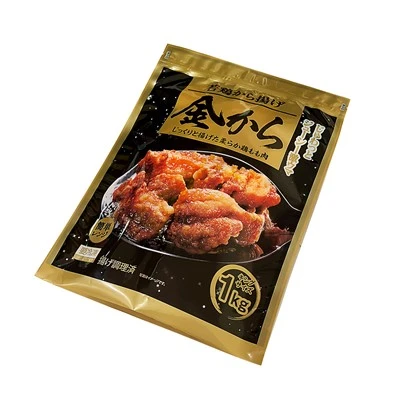
I know this got a bit technical, but the main takeaway is: rollstock film is a custom mix of plastics, adhesives, and additives, each serving a specific purpose. There’s no single “rollstock material”—it’s all about matching the materials to what the product needs. Whether that’s keeping coffee fresh for six months, making a microwavable meal safe to heat, or making compostable snack bags that don’t break easily, the materials are the foundation.
Daily Necessities Packaging Solutions If you’re a brand owner looking for rollstock film, or you’re just curious about what materials would work best for your product, I’m here to help. We can customize the layers, use recycled or bio-based materials, and make sure it fits your packaging line. No order is too big or too small—we’ve worked with everything from local startups to big national brands. Just reach out, and we can chat through your needs.
References
- The Society of Plastics Engineers (SPE). "Multi-Layer Flexible Packaging Films: Materials and Applications." 2022.
- European Flexible Packaging Association (EFPA). "Sustainable Rollstock Solutions: Bio-Based and Recycled Materials." 2023.
- Food and Drug Administration (FDA). "Regulatory Considerations for Plastic Packaging Materials for Food Contact Use." 2021.
- ASTM International. "Standard Test Methods for Seal Strength of Flexible Barrier Materials." D828-19. 2019.
- Plastics Industry Association (PIA). "Recycled Content in Flexible Packaging: Best Practices and Standards." 2022.
Qingdao Senlida Packing Co., Ltd.
Qingdao Senlida Packing Co., Ltd. is one of the most experienced rollstock film manufacturers and suppliers in China since 1995. With a professional production team, we are able to meet the needs of the majority of our customers. Please feel free to buy high quality packing products at competitive price from our factory.
Address: No.299 Feichao Road, Luwang Town, Huangdao District, Qingdao, Shandong Province, China.
E-mail: liuxh@qdsenlida.com
WebSite: https://www.senlidapacking.com/
