If you’ve ever stood in a room with stairs that feel solid underfoot, or walked past a modern home where the stairs aren’t just a functional spot but a design statement, you’ve probably wondered about flooring choices for that high-traffic, high-visibility area. As a strand woven bamboo supplier, I get this question all the time: “Can strand woven bamboo be installed on stairs?” Let me cut through the confusion, share what I’ve learned from working with this stuff for years, and tell you why it’s actually one of the smartest picks you could make for your stairs. Strand Woven Bamboo
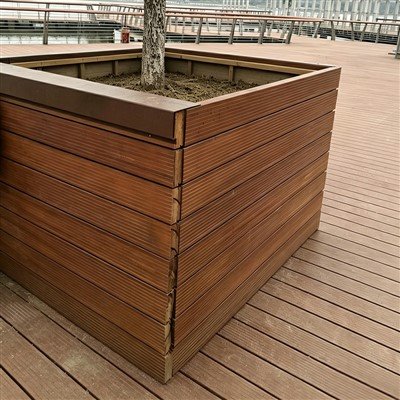
First, let’s get real about what strand woven bamboo even is, because a lot of people mix it up with regular old bamboo flooring. I know I did when I first started in this game, back when a customer asked for something for their stairs that wouldn’t scuff after three kids and a golden retriever ran up and down. Regular bamboo is just bamboo strips glued together, right? Strand woven is different—way different. We take whole bamboo stalks, shred them into tiny strands, compress ’em with insane pressure (like, tons of it, using no formaldehyde-based binders for most of our stock, fyi), and infuse them with heat-cured eco-friendly sealers. The result? A material that’s harder than most hardwoods—even oak, which is the go-to for stairs for a lot of folks. Janka hardness rating? Our strand woven clocks in around 3,000, while red oak is like 1,360. That’s a huge difference when you’re talking about heels dropping, toy trucks rolling, and constant foot traffic.
Now, the big question: will it hold up on stairs? Let’s start with durability, because that’s make-or-break for stair treads and risers. Stairs are brutal. The top of a tread takes the brunt of every step, the edge gets scuffed when you kick a chair leg or drag a vacuum, and the riser (the vertical part between steps) gets banged by backpacks and strollers. Strand woven bamboo doesn’t scratch easily—we’ve had customers send us photos of their stairs after 5 years of a house full of people, and the only scuffs are from a chair that got dragged across once when they were rearranging furniture. Compare that to solid oak, which can dent if you drop a cast-iron skillet, or laminate, which peels at the edges if the seam gets wet. Our strand woven’s density means it resists dents and scratches way better, which is why so many contractors now specify it for stairs instead of hardwood or even tile.
But wait—installation is the other big part, because stairs aren’t just flat floors. You can’t just lay a plank down and call it done. Let’s talk about that, because I’ve seen botched installations that made customers regret choosing bamboo. First, you have to use the right product for stairs. A lot of people try to use regular click-lock strand woven for stairs, but that’s a no-go. Click-lock is great for flat floors, but stair treads need to be solid (or have a reinforced core) to handle the pressure of feet stepping on them. We stock specific stair-grade strand woven that’s milled to the exact thickness and length you need for standard stairs—no cutting and trimming on site, which saves time and reduces waste (and waste = cost, right?).
Next, the installation method. Most of our customers use two ways: glue-down or nail/staple. Glue-down is super popular for stairs because it eliminates any creak (which is a nightmare for stairs—nothing’s worse than a squeak when you’re trying to sneak to the kitchen for a midnight snack). But you have to make sure the subfloor is perfectly flat—no bumps, no uneven spots, because if there’s a gap under the tread, it’ll creak eventually. Nail/staple is good if you’re redoing stairs and don’t want to tear out the old subfloor, but you have to use stainless steel fasteners so they don’t rust and leave stains on the tread edge.
We also get asked a lot about risers—can you install strand woven on the vertical part too? Absolutely. Risers are usually smaller pieces, so we cut them to size (or you can get pre-cut ones, which we offer) and install them either with glue or small finishing nails. Just make sure the riser material matches the tread—same color, same finish, so it looks seamless. One pro tip I learned a while back: if you’re using a natural finish strand woven, don’t install the risers right after the treads. Let the treads acclimate to your home’s humidity for a week first, and then cut the risers to fit—they’ll expand and contract at the same rate, so you won’t get gaps between the tread and riser later. That’s a mistake I saw a customer make once, and they had to sand and redo the risers because there was a 1/8 inch gap after a month.
Another thing people worry about: moisture. Bamboo is a grass, so does it swell if it gets wet? The short answer is, not as much as regular bamboo, because strand woven is so compressed. But if you spill a whole bucket of water on a stair tread and leave it there, that’s still going to be a problem. Just like any other flooring, you need to wipe up spills right away. The sealer we use (we use a UV-cured acrylic sealer that’s food-safe, by the way) is super water-resistant, so a little spill from a glass or a dog water bowl won’t do anything. I had a customer whose kid knocked over a juice box on their new stairs last year—they wiped it up in 10 seconds, no stain, no warping. Hard to beat that.
What about style? Because stairs aren’t just functional—they’re a design focal point. Strand woven bamboo comes in so many finishes these days, not just the plain natural tan. We have carbonized (that’s the darker, espresso color), hand-scraped, wire-brushed, even distressed looks. If you want a modern, sleek look, go for a smooth natural or carbonized finish. If you want something that looks rustic, wire-brushed with knots and grain variation works perfectly. One of our recent customers used the distressed strand woven for their stairs, and it paired so well with their dark walnut hardwood floors on the main level—you couldn’t even tell they were different materials, just a consistent warm tone. The best part? The grain is aligned along the length of the tread, so when you look at the stairs, the lines run straight up and down, which makes the whole space feel taller and more open. That’s a big win for small homes where stairs can feel cramped.
Wait, let’s talk about maintenance, because I know no one wants to spend hours cleaning stairs. With strand woven bamboo stairs, you don’t need anything fancy. A quick sweep with a soft broom or a microfiber mop once a week, and a little wood floor cleaner (we even sell our own eco-friendly one, if you want) when something is sticky. No waxing, no buffing, no special treatments. I have a buddy who installs flooring, and he says he’s had customers come back a year later and say their bamboo stairs look like new, compared to their hardwood floors that have scuffs and scratches all over. That’s because of the density, like I said earlier—harder materials hold up better to daily wear.
But let’s be real, there are a couple things to watch out for. First, don’t use a steam cleaner on your strand woven stairs. The high heat and moisture can get into the seams and cause warping, even though the material is dense. We see this all the time—customers get a steam mop for their floors, use it on stairs, and end up with a few warped treads. Just stick to a dry mop or a slightly damp microfiber cloth. Second, if you have very steep stairs or a lot of elderly people or small kids using them, you might want to add non-slip treads. But the good news is, most strand woven stair finishes are already non-slip enough—our UV sealer has a slight texture that doesn’t feel slippery when bare feet walk on it. If you’re worried, you can get a clear non-slip coating to add on top, but most people don’t need it.
As a supplier, I’ve also worked with a lot of contractors who love strand woven bamboo for stairs because it’s easier to work with than solid hardwood. It’s lighter than oak, so carrying it up stairs (especially for second-floor stairs) is way less of a hassle. Pre-cut stair-grade pieces mean less on-site work, which cuts down on installation time, which saves customers money. We also offer custom sizing if someone has really wide stairs or a unique staircase (like curved stairs, which are tricky). Yeah, curved stairs—we’ve done strand woven for those too. It just takes a little extra milling, but it’s totally doable. I had a customer with a curved staircase in their entryway, and they were tired of tile that cracked every few years. They went with our natural strand woven, and now the curved treads are the first thing guests comment on. It looks way more warm and inviting than tile ever did.
Another common question: is it eco-friendly? A lot of folks care about that these days, especially for their home. Bamboo is a fast-growing grass, right—matures in 3-5 years, compared to oak which takes 20-50 years. And our strand woven is harvested from FSC-certified farms, so we only use sustainable sources. We don’t use any urea-formaldehyde in our binders, so it’s safe for kids and pets. Way better than some laminates that use cheap binders that off-gas. That’s a big selling point for a lot of our customers, who don’t want their stairs to be a toxic spot in their home.
Let’s circle back to the original question: can strand woven bamboo be installed on stairs? The answer is a resounding YES. It’s durable, stylish, easy to maintain, works for all kinds of stairs (straight, curved, even outdoor stairs—wait, did I mention outdoor? We’ve done strand woven for back porch stairs too, as long as they’re under cover, no direct rain). The only time we’d say it’s not a good pick is if you have stairs that are exposed to constant moisture, like a backyard staircase that gets rained on every day without a cover. But for indoor stairs, even high-traffic ones with kids, pets, and heavy foot traffic, it’s perfect.
If you’re thinking about upgrading your stairs and want something that lasts, looks good, and is easy to take care of, reach out. We can send you samples of different finishes and sizes, walk you through the installation process, and even connect you with trusted contractors who work with our product. No pressure, just straight talk about what works.
At the end of the day, your stairs are more than just a way to get from one floor to another—they’re a part of your home’s personality. Strand woven bamboo turns a functional space into something you’ll actually want to show off, without the hassle of high maintenance or constant repairs. It’s a choice that makes sense for your wallet, for the planet, and for the people who live there.
Wait, quick last tip: when you order, get a few extra treads. Stairs take a lot of wear, so having spares means if a tread gets damaged a few years down the line, you don’t have to tear out all your stairs to replace it. We always recommend that, and it’s saved so many customers from headaches later.

If you’re ready to learn more, just get in touch. We’re here to help with whatever questions you have, whether it’s about sizing, finishes, or installation. No jargon, no pushy sales stuff—just real answers about strand woven bamboo stairs.
Decking Bamboo References:
- National Bamboo Industry Association. (2022). Strand Woven Bamboo: Durability and Performance Standards for Residential and Commercial Applications.
- Wood Floor Magazine. (2021). Stair Flooring Best Practices: Material Selection and Installation Guidelines for High-Traffic Spaces.
- Forest Stewardship Council (FSC). (2023). Sustainable Bamboo Sourcing and Certification Standards for Building Materials.
- Janka Hardness Testing Council. (2020). Comparative Hardness Ratings of Common Hardwood and Bamboo Flooring Materials.
Fujian Jingmingsheng Forestry Technology Co., Ltd.
As one of the most professional strand woven bamboo manufacturers and suppliers in China, we offer a wide range of products with superior quality. With abundant experience, we warmly welcome you to wholesale bulk strand woven bamboo in stock here from our factory. Customized orders are welcome.
Address: No. 1, Daban, Fuzhuang, Xiyang Town, Yongan City, Sanming City, Fujian Province
E-mail: 17759790120@163.com
WebSite: https://www.jingangzhu.com/
