If you’re in the business of pipes (especially industrial pipes for oil, construction, or automotive use), you know how critical a clean induction heating line is. I’ve been supplying and troubleshooting pipe induction heating production lines for over a decade, and let’s be real—no one wants a line that sputters out subpar pipes, or worse, breaks down mid-run because of gunk buildup. Over the years, I’ve worked with hundreds of operators, from small job shops to big mill plants, and I’ve learned that cleaning this line isn’t just a “spring cleaning” task; it’s a daily, weekly, and monthly rhythm that keeps your output consistent and your costs low. Today, I’m breaking down exactly how to clean this line like a pro, based on what actually works—not some textbook fluff no one uses on the floor. Pipe Induction Heating Production Line
First, let’s get one thing straight: your induction heating line isn’t a single machine—it’s a chain of parts. You’ve got the uncoiler, the straightener, the induction heating coils, the quench tank, the tempering section, and the cutoff saw. Each part builds up different gunk, so you can’t just spray the whole thing with water and call it a day. Messing up the wrong part can lead to rust, coil damage, or even ruined pipes. I’ve seen new operators blast the quench coils with high pressure once, and it bent the fragile copper windings—cost them $15k in repairs and a 3-day downtime. So let’s start with the daily stuff, because if you skip this, the weekly deep clean will turn into a nightmare.
Daily cleaning is the 10-minute job you should do at the end of every shift, no exceptions. I know, it’s easy to blow it and head to the break room, but trust me—this prevents 80% of the buildup that causes headaches later. Let’s walk through each section:
-
Uncoiler & Straightener: These handle raw pipe, so the main gunk here is scale (that flaky rust from the steel mill) and loose debris. Grab a stiff bristle brush (not a metal one—you don’t want to scratch the pipe surface) and swipe along the rollers and guides. Don’t forget the feed rolls—those are where scale loves to get caught, and if a piece gets stuck, it’ll scratch your pipes. If you’ve got light oil on the rolls (standard to prevent wear), wipe that up too with a lint-free rag—oil mixes with scale to make a sticky paste that’s way harder to remove later. Also, check the edge of the straightener: sometimes pipe burrs (the sharp leftover bits from cutting pipe) build up here, so nip those off with a file quick.
-
Induction Heating Coils: This is the heart of the line—if you mess these up, you’re toast. The coils get a mix of scale, coolant residue, and tiny metal shavings. Don’t use a pressure washer here. Instead, grab a soft nylon brush or a pipe cleaner (the kind you use for plumbing, but heavy-duty) and gently work along the gaps between the copper windings. Metal shavings can short out the coil, and scale can block the induction heat, leading to uneven heating. Pro tip I tell all my customers: keep a small vacuum with a narrow nozzle nearby to suck up the debris as you brush—no more wiping it away only to have it fall back into the coils.
-
Quench Tank: This is where the pipe gets cooled fast after heating. The gunk here is a mix of quenchant (usually water-based or oil-based) and metal fines, which settle at the bottom. Daily, use a small skimmer to scoop any floating gunk off the surface—stuff like oil or leftover scale. Also, if your tank has a screen filter on the outlet, just rinse that with a hose (low pressure!) to keep it from clogging. Clogged filters mean your quenchant doesn’t circulate, and pipes can get too hot or too cool—bad for their strength.
-
Cutoff Saw: The saw blade gets tiny metal shavings and coolant gunk. Wipe the blade with a rag (and a little degreaser if it’s sticky) and brush the saw guard. If you leave shavings on the blade, it’ll dull faster, and your cut edges will be rough.
Now, weekly cleaning is the deeper dive—this takes about an hour, but it’s worth it. You don’t need to shut down the whole line unless your manual says so, just tag out individual sections. This is where you tackle the gunk that daily cleaning misses.
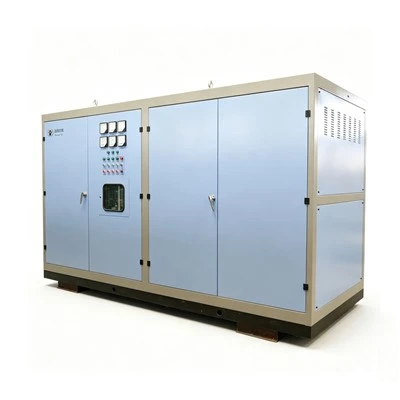
First, let’s talk about the induction power unit (that’s the box that feeds electricity to the coils—most new guys forget this exists). The vents and fans here get dusty, and if they get clogged, the unit overheats. Grab a can of compressed air (the short kind, not the big industrial one) and blow out the vents—hold the can upright so no liquid gets sprayed. Don’t use a brush here, because you can push dust into the circuit boards. If you have oil-filled transformers in the power unit, check the level and the breather cap—if there’s sludge on the cap, wipe it with a rag.
Next, the quench tank: this is the big one for weekly. You can siphon off 20-30% of the quenchant (don’t dump the whole thing—save the good stuff) and then use a net or a sludge pump to suck out the bottom layer of metal fines. If your quenchant is water-based, you can add a small amount of neutralizing cleaner (follow the quenchant manufacturer’s instructions—don’t use random degreasers) to the tank while you’re cleaning to keep it from breaking down. Once you’re done, top the tank back up with fresh quenchant, and run the pump for 10 minutes to circulate it. I’ve seen a line shut down for a week because they didn’t clean the quench tank—metal fines got into the pipes and made them weak, so they had to reprocess 500 pipes.
Then, the straightener and uncoiler: take the rollers off (they’re usually bolted on) and scrub them with a heavy-duty degreaser. You’ll be shocked how much scale and old oil comes off—those rollers need to be smooth to keep the pipe aligned. Also, check the bearings on these parts—spray a little food-grade bearing lube (industrial lube is too thick and attracts gunk) on them while you’re at it.
Monthly cleaning is the maintenance check that most people skip, but it keeps your line running for 10+ years instead of 5. This takes a half-day, so schedule it on a slow week.
First, the induction coils: if you’ve never deep cleaned them, or if heating has been uneven lately, you can pull the coils off (it’s not as hard as it sounds if you’re comfortable with basic tools). Soak them in a tub of mild alkaline cleaner (like the kind used for engine parts, diluted 1:10 with water) for 2-3 hours. That will dissolve any built-up scale and metal shavings that are stuck in the gaps. Scrub them gently with a soft brush after soaking, then rinse with low-pressure water, and let them dry completely before putting them back. If they’re copper coils, don’t let them sit in water too long—they can rust.
Next, the entire line’s lubrication points: every bearing, every gear, every slide rail. I know it sounds boring, but old grease attracts dust and turns into a hard paste, which wears out parts fast. Wipe off all old grease, apply new grease (use the type the line’s manufacturer recommends—don’t just grab any off the shelf), and move the parts by hand a few times to spread it evenly.
Also, check all hoses: the ones going to the coils, the quench tank, the power unit. Look for cracks, bulges, or leaks. If a hose leaks, it can cool the coils unevenly, leading to coil damage. I had a customer once who ignored a small hose leak, and it dripped onto the circuit board—cost $2k in repairs and a 2-day downtime.
One last thing: troubleshooting common gunk issues. If your pipes have uneven hardness, or if the induction power unit keeps tripping, it’s almost always gunk. I tell all my customers to keep a cleaning log—note when you did daily, weekly, monthly cleanings, and any issues that came up. That way, you can spot patterns, like if scale builds up more when you run a certain type of pipe, and adjust your cleaning schedule.
Now, a quick note from someone who’s been in this game: I supply these lines, and I’ve seen way too many operators cut corners on cleaning. A $50 brush to clean a coil is way cheaper than a $15k coil replacement or a week of downtime. Cleaning isn’t just a chore—it’s how you get consistent, high-quality pipes, which is what keeps your customers coming back.
If you’re looking to upgrade your induction heating line, or if you need tips tailored to your specific model, feel free to reach out to my team. We’re here to help you keep your line running smoothly, no matter what you’re producing.
Steel Billet Reheating Furnace References
- Industrial Pipe Heating System Maintenance Guide, 2022
- Induction Coil Cleaning Best Practices, Manufacturing Engineering Journal, 2021
- Quench Tank Sludge Management for Metal Fabrication, Journal of Industrial Heat Treatment, 2020
Hebei Yuantuo Electromechanical Equipment Manufacturing Co., Ltd.
As one of the most professional manufacturers and suppliers of pipe induction heating production line in China, our products have good reputation in the market. Please rest assured to buy advanced equipment made in China here and get quotation from our factory. Customized orders are welcome.
Address: Yanshan Street West and Jialingjiang Road North, Economic and Technological Development Zone, Wuqiao County, Cangzhou City, Hebei Province, China
E-mail: yuantuotech01@gmail.com
WebSite: https://www.yuantuoem.com/
