How to install an Ultrasonic Flow Sensor?
As a supplier of ultrasonic flow sensors, I’ve witnessed firsthand the transformative impact these devices can have on various industries. Ultrasonic flow sensors are used to measure the flow rate of liquids or gases in pipes without direct contact with the fluid, offering a non – intrusive and highly accurate solution. In this blog, I’ll guide you through the process of installing an ultrasonic flow sensor, ensuring that you get the most out of your investment. Ultrasonic Flow Sensor
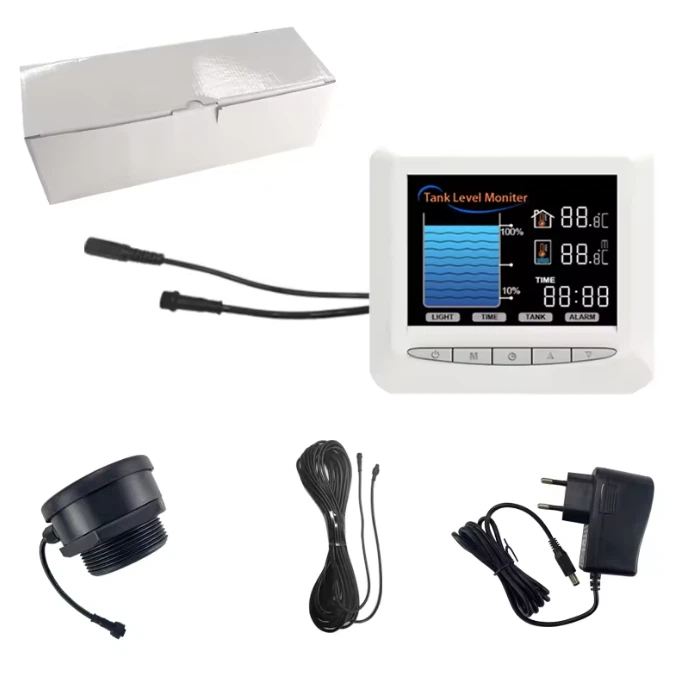
Pre – installation Preparation
Before you start the installation process, it’s crucial to gather all the necessary information and tools. First, you need to know the details of the pipe where the sensor will be installed. This includes the pipe material (such as steel, PVC, or copper), the pipe diameter, and the wall thickness. The type of fluid flowing through the pipe is also important, as different fluids have different acoustic properties that can affect the sensor’s performance.
You should also select the appropriate ultrasonic flow sensor for your application. Consider factors such as the flow range, accuracy requirements, and environmental conditions. For example, if you’re measuring the flow of a corrosive fluid, you’ll need a sensor with a corrosion – resistant housing.
In terms of tools, you’ll typically need a pipe cleaner to ensure the pipe surface is clean and free of debris, a measuring tape or caliper to accurately measure the pipe diameter, and a mounting bracket or clamp to secure the sensor to the pipe.
Step 1: Pipe Surface Preparation
The first step in the installation process is to prepare the pipe surface. Start by cleaning the area where the sensor will be mounted. Use a pipe cleaner or sandpaper to remove any dirt, rust, or paint from the pipe surface. A clean surface is essential for good acoustic coupling between the sensor and the pipe, which is necessary for accurate flow measurement.
After cleaning, measure the pipe diameter precisely. This measurement is crucial for determining the correct installation distance between the two sensors (in the case of a transit – time ultrasonic flow sensor). Make sure to measure at multiple points along the pipe to account for any variations in diameter.
Step 2: Sensor Placement
Once the pipe surface is prepared, it’s time to place the sensors. The placement of the sensors depends on the type of ultrasonic flow sensor you’re using. For transit – time ultrasonic flow sensors, which are the most common type, the sensors are typically installed in pairs on opposite sides of the pipe.
The installation distance between the two sensors is determined by the pipe diameter and the type of sensor. You can refer to the sensor’s installation manual for the exact distance. Make sure the sensors are aligned properly and that they are in contact with the pipe surface.
In some cases, you may need to use a coupling agent, such as ultrasonic gel or grease, to improve the acoustic coupling between the sensors and the pipe. Apply a thin layer of the coupling agent to the sensor’s surface before placing it on the pipe.
Step 3: Mounting the Sensors
After placing the sensors, you need to mount them securely to the pipe. Use a mounting bracket or clamp to hold the sensors in place. Make sure the sensors are tightly secured to prevent any movement during operation, as this can affect the accuracy of the flow measurement.
If you’re using a clamp – on ultrasonic flow sensor, the installation is relatively straightforward. Simply clamp the sensors onto the pipe using the provided clamps. For inline ultrasonic flow sensors, which are installed directly into the pipe, the installation process is more complex and may require cutting the pipe and welding or flanging the sensor into place.
Step 4: Wiring and Connection
Once the sensors are mounted, you need to connect them to the flow meter. The wiring process typically involves connecting the sensor cables to the corresponding terminals on the flow meter. Make sure to follow the wiring diagram provided in the installation manual to ensure proper connection.
After wiring, power on the flow meter and perform a basic calibration. Most modern ultrasonic flow meters have built – in calibration functions that allow you to adjust the sensor settings for accurate flow measurement. You may need to enter the pipe diameter, fluid type, and other relevant parameters into the flow meter during the calibration process.
Step 5: Testing and Validation
After the installation and calibration are complete, it’s important to test the ultrasonic flow sensor to ensure it’s working properly. Start by checking the flow meter display to see if it’s showing a reasonable flow rate. You can also compare the measured flow rate with a known flow rate (if available) to validate the accuracy of the sensor.
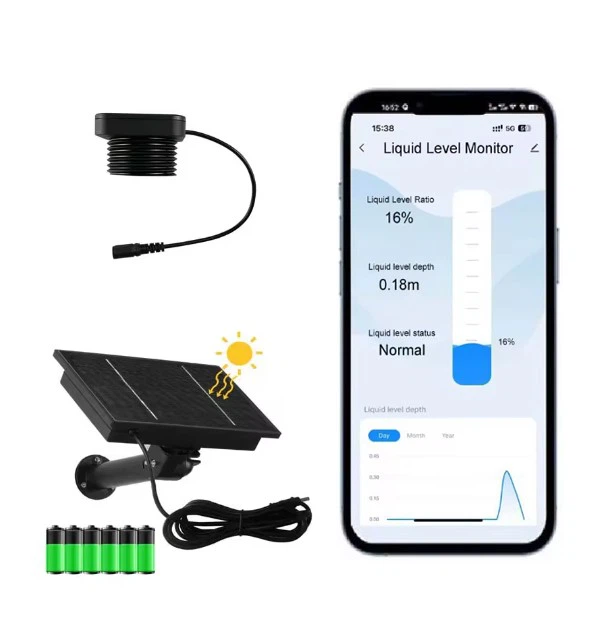
If you encounter any issues during the testing process, such as a zero flow reading or an inaccurate flow rate, refer to the troubleshooting section of the installation manual. Common issues may include poor acoustic coupling, incorrect sensor placement, or wiring problems.
Tips for Successful Installation
- Follow the Manufacturer’s Instructions: Always refer to the installation manual provided by the sensor manufacturer. The manual contains detailed instructions and specifications for your specific sensor model.
- Check for Interferences: Make sure there are no nearby sources of electromagnetic interference, such as motors or transformers, which can affect the sensor’s performance.
- Regular Maintenance: After installation, perform regular maintenance on the sensor, such as cleaning the sensors and checking the wiring connections, to ensure long – term reliability.
Conclusion
Float Level Sensor Installing an ultrasonic flow sensor may seem like a complex process, but by following the steps outlined in this blog, you can ensure a successful installation. As a supplier, I’m committed to providing high – quality ultrasonic flow sensors and comprehensive support to our customers. If you have any questions about the installation process or need help selecting the right sensor for your application, please don’t hesitate to contact us. We’re here to assist you in making the most of your ultrasonic flow sensor investment.
References
- "Ultrasonic Flow Measurement Technology," by ASME Press.
- "Handbook of Flow Measurement," edited by Richard W. Miller.
Shenzhen Fineherc Technology Co., Ltd.
As one of the most experienced ultrasonic flow sensor suppliers in China, we’re featured by quality products and low price. Please feel free to buy discount ultrasonic flow sensor made in China here from our factory. Welcome to view our website for more information.
Address: 5th Floor, Building D, No. 39, Keji East Road, Torch Development Zone, Zhongshan City,China
E-mail: fineherc@hotmail.com
WebSite: https://www.fineherc.com/
