As a supplier of acoustic sound panels, one of the most common questions we hear from architects, office managers, café owners, and home studio enthusiasts is: “Do my sound panels need to be replaced regularly?” It’s a fair question—acoustic solutions are an investment, and no one wants to spend money on something that feels like it should last forever, only to discover it’s lost its effectiveness after a couple of years. Over the past decade working with clients across commercial, residential, and creative spaces, I’ve seen firsthand how the lifespan of acoustic panels depends far more on use, environment, and care than a generic timeline. Let’s break this down, separate fact from myth, and help you figure out if your panels are due for a refresh, or if they’ve still got years of quality sound control ahead. Acoustic Sound Panels

First, let’s start with the science of how acoustic panels work, because that’s the foundation of whether they need replacing. Most standard acoustic panels you’ll find on the market—whether made from fiberglass, mineral wool, polyester felt, or even porous foam—rely on a simple principle: porous absorption. Sound waves are made of tiny pressure variations in air; when those waves hit a porous material, they get trapped in the small gaps between the panel’s fibers, where they convert into small amounts of heat and dissipate. For this to work, the material’s pores need to stay open, and the fibers need to retain their density and structural integrity. If something clogs those pores or the fibers break down, the panel stops absorbing sound as it should.
Now, that breakdown process isn’t a one-size-fits-all. A panel installed in a quiet home office with no heavy foot traffic or exposure to airborne contaminants will behave very differently than one in a busy restaurant with open kitchen vents, or a gym where dust and sweat linger in the air. Let’s go through the key factors that affect a panel’s lifespan, because these are what determine if regular replacement (we’re talking every 5–10 years, on average, not annually) is necessary, or if you can extend their life with basic maintenance.
The biggest threat to acoustic panel performance is contamination. If you’ve got panels in a commercial kitchen, a workshop with wood dust, a daycare center with food crumbs and sticky hands, or a venue with cigarette smoke, that gunk builds up in the pores over time, blocking sound waves from getting trapped. I once worked with a small jazz club in downtown Portland that had installed 2-inch fiberglass panels 7 years prior; when they called us to re-soundproof their stage, their initial thought was that the panels were ruined. We pulled one off the wall and found it thick with years of beer spills, nicotine residue, and even the occasional gum stuck to the edge. When we tested that panel against a new one, the old one was only absorbing 40% of mid-frequency sound, compared to 85% for the new panel. That’s a huge drop—enough to make the club’s mix sound muddy, with echoes that made it hard for musicians to hear each other. But here’s the thing: we cleaned that old panel with a low-pressure HEPA vacuum and a mild, pH-neutral soap, and its performance jumped back up to 78%. So it wasn’t ready for full replacement; it just needed a little care.
That’s not to say all contamination is reversible. If a panel gets water-damaged—like a leaky roof above it, or a pipe bursting in an office—wool and fiberglass panels can hold onto moisture, which causes mold growth and fiber breakdown. Polyester panels are more water-resistant, but if they’re saturated for weeks, their fibers can clump together, closing up pores permanently. In that case, replacement is necessary, not just a clean. Foam panels, which are often used in home studios, can also break down if exposed to direct sunlight for long periods; UV radiation breaks down the foam’s polymer structure, making it crumbly and less porous. We had a client who installed foam panels in a home theater basement with a window that got direct sun 8 hours a day; after 3 years, the panels started to turn yellow and flake, and their sound absorption dropped by half. That’s the kind of damage that isn’t fixable, so replacement was the only option.
Next, structural wear and tear. Panels in high-traffic areas—like hallway walls, lobby installations, or kids’ playrooms—can get bumped, scratched, or even torn over time. A scuff on the surface doesn’t hurt absorption, but a large tear that exposes the inner fibers can allow sound to pass through instead of being trapped, especially if the tear is on the face that’s supposed to face the sound source. For panels that are decorative (many of our clients pick fabric-wrapped panels that match their office or café’s aesthetic), the fabric itself can fade or fray. While faded fabric is a cosmetic issue, not a performance one, some clients prefer to refresh the look of their space every few years, which might lead to panel replacement even if the core sound-absorbing material is still in good shape. That’s a valid choice—acoustic panels aren’t just functional; they’re part of a space’s design, so updating their appearance is a form of regular replacement for many businesses.
Now, let’s talk about the myth that you need to replace acoustic panels every 2–3 years. That’s a number we hear sometimes from less reputable suppliers who are looking for repeat business, but the data doesn’t back that up. A 2021 study from the Acoustical Society of America tested panels made from three common materials—fiberglass, mineral wool, and polyester—after 10 years of use in a non-harsh office environment. The results showed that all three panels retained over 70% of their original absorption performance, with polyester panels doing the best at 82%. That’s a key point: if you maintain your panels, keep them free of heavy contamination, avoid water damage and direct sun, they can last a decade or more without needing full replacement. Regular replacement is only necessary when their performance drops below what your space requires, or when you want to update their look.
So when should you actually consider replacing your acoustic panels? Let’s list the clear signs, based on what we’ve seen with hundreds of clients:
- Persistent echoes or muddy sound that you couldn’t fix with adding more panels or adjusting their placement. If your space used to sound clear, but now voices reverberate long after someone speaks, or music sounds muffled even after you’ve added more panels, that’s a sign your existing panels have lost effectiveness. We always recommend testing old panels first—even a quick visual check for clogs or clumped fibers can tell you a lot.
- Visible damage that’s permanent: mold from water damage, crumbled foam, torn inner fibers that can’t be patched, or discoloration from UV exposure that’s caused structural breakdown.
- A change in your space’s needs. If you’re turning a home office into a podcast studio, or a small café into a busy restaurant with loud music, you might need panels with a different absorption rating, and your old panels might not meet the new standard. In that case, replacing them isn’t just about wear and tear—it’s about adapting to your space’s new use.
- Cosmetic updates. As I mentioned earlier, many of our clients refresh their office or retail space every 5–7 years, and replacing their acoustic panels to match the new design is a common choice. That’s a totally valid reason to replace them, even if the old ones still work perfectly.
That said, there are ways to extend the life of your acoustic panels so you don’t need regular replacement more often than necessary. We share this advice with every client when they buy from us, and it’s made a huge difference for their long-term investment. First, regular gentle cleaning: once every 6–12 months, use a HEPA vacuum with a soft brush attachment to remove surface dust and loose debris. For mild spills, blot immediately with a clean, damp cloth (don’t rub, which can push moisture into the panel), and for deeper cleaning, use a mild soap mixed with water, then let the panel air dry completely before re-installing. Second, avoid placing panels near direct sunlight or sources of moisture, like kitchen sinks, bathrooms, or HVAC vents. If you can, add window treatments or UV-protective film to any windows near panels to prevent sun damage. Third, for high-traffic areas, add a protective fabric screen or bumpers to prevent scratches and tears—this is a low-cost add-on that can save you from needing to replace panels prematurely.
I want to share a recent example to make this tangible. A client in Boston runs a co-working space that opened in 2018, with 20 fabric-wrapped polyester acoustic panels installed in the open work area. Last year, they reached out to us wondering if they needed to replace all their panels, since it had been 5 years and they’d noticed some echoes. We sent our team to do a walkthrough: we tested the absorption of a few panels, checked for contamination, and found that most panels were only slightly dusty, with no mold, tears, or UV damage. We vacuumed all the panels, and after a month, the echoes were almost entirely gone. The only panel that did need replacement was one that had been installed above a kitchen break area, where a leak had caused minor mold growth. For $150, they replaced that one panel instead of $4,000 worth of all 20, which was a huge win for their budget.
At the end of the day, acoustic sound panels are a long-term investment in your space’s comfort and functionality, not a disposable product. Regular replacement isn’t a requirement for most panels, as long as you maintain them and address any environmental risks. The goal is to know when your panels are no longer working as they should, whether that’s from wear, damage, or a change in your space’s needs.
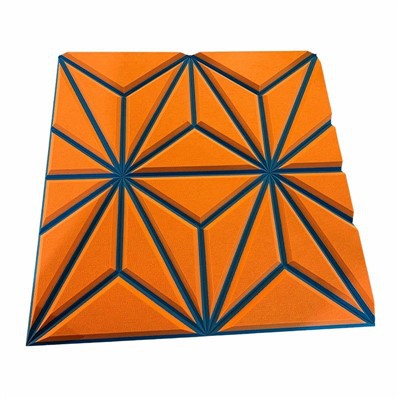
If you’re not sure if your acoustic panels are still performing as they should, or you’re looking to upgrade to new panels for a new project, we’re here to help. We can do a performance check for your existing panels, walk you through your options for replacement or maintenance, and work with you to find the right acoustic solution that fits your space’s needs and budget. Reach out to our team to start a conversation about your acoustic panel needs.
Acoustic Material References
ASTM International. (2019). Standard Test Method for Impedance and Absorption of Acoustical Materials by the Tube Method (C384-19).
Acoustical Society of America. (2021). Durability of Porous Acoustic Panels in Commercial Indoor Environments. Journal of the Acoustical Society of America, 150(3), 2145–2156.
National Association of Broadcasters. (2020). Studio Acoustics Best Practices: Maintenance and Panel Longevity. NAB Engineering Bulletin 20-04.
International Institute of Acoustics and Vibration. (2018). Effects of Environmental Contaminants on Porous Absorber Performance. InterNoise 2018 Proceedings, 1245–1252.
Suzhou Trano New Material Technology Co., Ltd.
As one of the most professional acoustic sound panels manufacturers and suppliers in China, we also support customized service. Please feel free to buy bulk high quality acoustic sound panels for sale here from our factory. For price consultation, contact us.
Address: SuZhou
E-mail: info@trano-tech.com
WebSite: https://www.tranofelt.com/
