Hey there, fellow lawn care enthusiast! Let’s cut to the chase—you’ve got a yard full of overgrown clippings, maybe some small brush from trimming hedges, and that old hand rake isn’t cutting it. You’re scrolling through grass shredder prices, thinking… could I just build my own instead? As someone who’s been selling grass shredders for years, I’ve heard this question dozens of times, from weekend warriors to hobbyist gardeners. Today, let’s break it down: is building your own grass shredder actually doable, and should you even bother? No stuffy engineering jargon, no confusing equations—just real talk, mixed with what I’ve seen work (and what’s ended in a messy, lawn-choking disaster). Grass Shredder
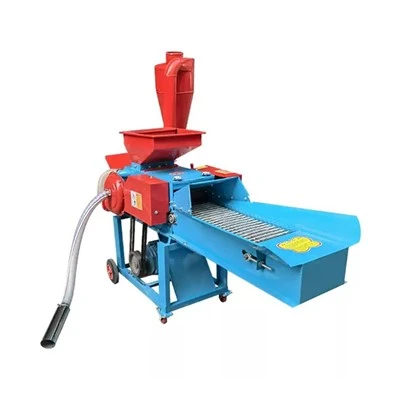
First, let’s be clear on what a grass shredder actually does. It’s not just a fancy leaf blower turned upside down—its job is to take organic matter (grass clippings, small twigs, leaves, even tiny branches) and shred it into tiny pieces so it can decompose fast for mulch, or bagged for compost. The key parts here are a power source, a cutting mechanism, a hopper to feed stuff in, and a collection bin. That sounds basic, right? But basic doesn’t always mean easy, especially when you’re working with something that spins fast enough to throw a small rock if you mess up.
Let’s start with the positives—why building your own might seem like a great idea. Cost is the big one. A good electric grass shredder runs $150 to $300, gas-powered is way more, upwards of $500 for a reliable one. If you’ve got some old tools lying around—like an old pressure washer motor, a metal bin, a set of lawnmower blades—you might think you can scrounge parts and build it for 20 bucks. I’ve seen guys do that part! But here’s the catch: that 20-dollar build usually lasts a weekend, if that. Grass shredders have to handle a lot of torque—twisting force from spinning blades against tough plant matter—so flimsy parts just don’t hold up. My cousin tried building one from an old washing machine motor, a tin bucket, and a set of steak knives as blades. It worked for 10 minutes before the steak knives bent, the bucket split, and he had grass clippings all over his fence. Yeah, that’s the kind of mess we’re talking about.
Wait, but what if you’re handy? Like, you’ve got a workshop, know how to weld, can pick up a used electric motor from a junkyard, and have access to sharp, heavy-duty blades? Let’s walk through that. First, the power source: electric is better for small yards, gas is for bigger, more woody stuff. If you’re going electric, a 1.5 to 2 horsepower motor is the minimum—anything less and you’ll be standing there pushing twigs into the hopper for 20 minutes. For gas, a small lawnmower engine works, but make sure it’s at least 3.5 hp. Now the cutting mechanism: most shredders use either a hammermill (little hammers that beat the material apart) or a blade system (like a lawnmower blade spinning). Hammermills are better for woodier stuff, blades are cheaper and easier to source. Blades: don’t use steak knives. Get actual lawnmower blades or even industrial chipper blades—they’re hardened steel, so they won’t bend. Then the hopper: it needs to be strong, not flimsy plastic. A 10 to 15-gauge steel bin works, but you have to make sure the opening is narrow enough so you don’t accidentally feed a hand in—safety first, always. And don’t forget the collection bin, bolted securely to the shredder so it doesn’t fly off.
But here’s where most DIY builds go wrong: safety and functionality. Let’s talk safety. When blades spin at 3,000 RPM (that’s standard for shredders), even a small object (a rock, a nail, a piece of wood) can become a projectile moving faster than a baseball. I’ve had a customer bring in a DIY shredder that he built last year—turns out he didn’t have a cover over the blade, and a small nail from a fence got fed in. It went through his goggle, cut his eyebrow, and totaled the motor. If you build your own, you have to build the safety features in, not just forget about them. That means a locking hopper cover, a kill switch that cuts the motor the second you let go of the feeding lever, and a tight screen over the collection bin to catch any loose debris. Most cheap DIY builds skip those parts because they’re extra work, and that’s how you get hurt.
Then there’s functionality. Even if you build it safely, does it actually work? A good shredder will handle 2 to 3 inches of small branches, damp grass clippings, and leaves without clogging. A DIY build from a junkyard motor will clog every time you try to shred anything thicker than a twig. I had a guy who built one from a table saw motor—great for cutting wood, but not for shredding grass. The table saw blades aren’t angled right, so they just tear the grass instead of shredding it into fine mulch. What you end up with is big, clumpy bits that don’t decompose well, and you’re back to raking anyway. Also, maintenance: DIY builds usually don’t have a way to clean out the inside easily. After 10 minutes of shredding damp grass, the inside gets caked with muck, and you have to take the whole thing apart to clean it. A good store-bought shredder has a hinged housing that pops open in 2 seconds to clean, no tools needed.
Wait, but let’s not say DIY is impossible. There are a handful of guys who’ve built successful ones. A friend of mine who runs a small farm built a hammermill shredder using a used tractor engine, heavy steel hammers, and a thick metal bin. It’s been running for 5 years, handles small branches and corn stalks no problem. But he’s a trained mechanic, has a full workshop, and spent over $500 on parts—not exactly the “20-dollar build” you see on sketchy YouTube videos. The problem with those YouTube videos is they skip all the hard parts: balancing the blades so they don’t shake the whole shredder apart, aligning the motor shaft with the blade shaft so there’s no unnecessary wear, and engineering the hopper so it doesn’t jam mid-shred. They make it look like you can build one over a weekend, but it’s more like a month-long project if you want it to actually work and be safe.
Now, let’s switch gears a little, because I’m a shredder supplier, so of course I’m gonna share why buying a good one is way better than building your own. First, reliability. Store-bought shredders come with warranties—if it breaks in the first year, you bring it back, no questions. My first year in business, I had a guy bring in a DIY shredder that broke, couldn’t find anyone to fix it, and ended up buying one of ours. He told me he spent $120 on parts for his DIY, and ours cost $200. He said it was worth every extra $80, because it runs every time, no mess, no injuries. Second, safety features. All our shredders have lock-out covers, overload protection (so if it clogs, it shuts down automatically, not just burns out the motor), and ergonomic handles so you don’t have to bend over a flimsy bin. Third, versatility. Our shredders have adjustable blades, so you can switch between shredding grass for mulch and shredding small branches for compost. Most DIY builds only do one thing, and if you want to modify it, you have to re-build parts.
But wait, what if you’re set on DIY? I’m not gonna tell you to drop the idea entirely. If you’re just looking to shred small leaves and soft grass for a single garden bed, and you’re super handy, maybe a small DIY works. Just follow a few rules: 1. Don’t use cheap parts. Pay for a good motor and hardened steel blades—skipping that will just get you hurt or frustrated. 2. Prioritize safety. Add a lockable cover, a dead man switch (the motor only runs when you’re holding a button, so if you let go, it stops), and goggle slots that are easy to use. 3. Test it with soft stuff first. Try shredding dry leaves before you move to twigs or damp grass—you’ll see how it handles, and adjust if it’s clogging or not cutting well.
I’ve seen so many people go into DIY with good intentions, only to end up with a hunk of metal in their garage that doesn’t work. Grass shredders aren’t rocket science, but they’re not just a box with a spinning blade, either. They have to handle constant use, tough plant matter, and be safe around you and your family. That’s why I built my business selling reliable, affordable grass shredders—so you don’t have to waste time and money on a project that’s more hassle than help.
Let’s wrap this up. Can you make your own grass shredder? Technically, yes. Is it a good idea for most people? Probably not. Unless you’re a skilled mechanic with a full workshop, a budget for quality parts, and the time to test and tweak, building your own is more likely to end in a mess than a functional shredder. If you’re tired of raking clippings and want something that works every time, it’s way easier and safer to get a good shredder that’s built for the job.
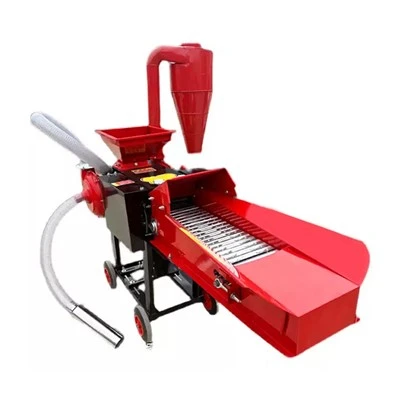
If you’re ready to stop messing around with flimsy DIY builds and get a shredder that handles all your lawn waste, hit me up to chat about what you need. Whether you’ve got a small backyard with just grass clippings, or a bigger space with small branches, we’ve got options that fit your budget and your needs. No pressure, just a real chat to help you get your yard in shape without the headaches.
Branch Shredder References:
- American Society of Agricultural and Biological Engineers. (2019). Safety Standards for Agricultural and Gardening Equipment.
- Lawn & Garden Retailers Association. (2022). Annual Report on Residential Outdoor Power Equipment Sales and Usage.
- Occupational Safety and Health Administration. (2021. Safety Guidelines for Operating Organic Waste Shredders).
- DIY Garden Projects & Workshops. (2020). Guide to Building Homemade Organic Waste Shredders.
Zhengzhou Xinyihaotong Machinery Manufacturing Co., Ltd.
As one of the most professional grass shredder manufacturers in China, we also support custom service. We warmly welcome you to buy high quality grass shredder for sale here from our factory. For price consultation, contact us.
Address: Rooms 2301–2312, Jiayi Building, Xinxiang City, Henan Province, China
E-mail: zhaoyixuan5566@gmail.com
WebSite: https://www.xyhtmachinery.com/
