If you’ve ever worked with sensitive electronic components—think circuit boards, semiconductors, or even the tiny chips that power your phone—you know that static electricity is a silent, costly enemy. A single static discharge (ESD, or electrostatic discharge) can fry a microchip before it’s even assembled, leading to thousands of dollars in waste, delayed production timelines, and frustrated teams. That’s where anti-static bags come in. As a supplier who’s been in the ESD protection game for over a decade, I get asked more often than you’d expect: “What colors are anti-static bags available in?” The answer isn’t just a random list of hues; every color ties directly to the science of ESD protection, how the bag is manufactured, and what it’s designed to protect. Let’s break this down, no jargon, just the practical, tested info we rely on every day to keep our customers’ parts safe. Anti-Static Bags
First, let’s get one thing straight: not all anti-static bags are created equal. The ESD industry has standardized colors for a reason—they’re a quick, visual cue for workers, engineers, and warehouse staff to know exactly what level of protection a bag provides, without having to dig through spec sheets mid-pick. But before we dive into colors, let’s recap the two core types of anti-static bags, because color differs based on what a bag is made of. The first is static shielding bags, sometimes called dissipative shielding bags, which are the workhorse for sensitive components. These bags are made with a multi-layer structure: usually a thin, static-dissipative inner layer, a middle layer of metalized polyester (to block static charges from outside), and an outer layer that keeps the structure intact. The second type is static-dissipative bags, also known as conductive poly bags, which are made from single-layer plastic infused with a conductive material like carbon black. These don’t block external static, but they safely bleed off any static charge that builds up on their surface, making them ideal for less sensitive components or intermediate transport.
Now, the colors—let’s start with the most common, and the one you’ll spot in 90% of electronics warehouses: black. Wait, why black? For conductive poly bags, that’s non-negotiable. The black color comes from the carbon black mixed into the plastic during manufacturing. Carbon black is the only material that gives the plastic the right level of surface resistance to safely dissipate static charges—if you tried to make a conductive poly bag in, say, blue, you’d have to remove the carbon black, and without it, the plastic would build up static instead of bleeding it off. That makes black the universal color for conductive static-dissipative bags. These bags are super versatile: we use them for packaging resistors, capacitors, connectors, and even larger sub-assemblies like hard drives. The black also has a practical side for warehouse teams: it hides dirt, dust, and smudges that get on the bag during handling, so the component inside stays clean and visible only when you need it to open the bag. But here’s the key point for anyone working with ESD: not all black anti-static bags are the same. Cheap, untested black poly bags sold at big-box hardware stores aren’t designed for ESD—they’re just black plastic. Our black conductive bags are tested to meet ASTM D257 standards, meaning their surface resistance falls between 10^4 and 10^11 ohms, perfect for bleeding static safely.
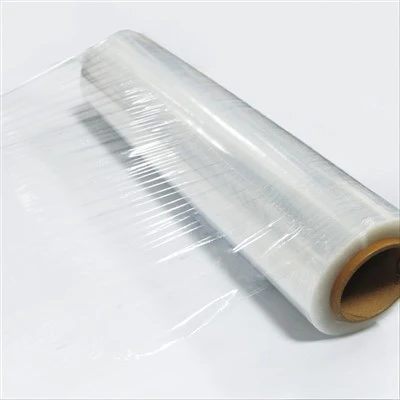
Next up, the next most common color: transparent, or clear. You’ll see these paired with static shielding bags. Transparent is a big win because you can see what’s inside the bag without opening it—no need to waste time unzipping or cutting into a bag just to check if the right part is there. Why are shielding bags transparent? Let’s go back to their multi-layer structure. The inner and outer layers of a shielding bag are made of a static-dissipative polymer, like polyethylene, that’s naturally clear. The middle metalized layer is super thin (like 0.5 microns thick)—it’s not solid metal, so it doesn’t block light completely. Instead, it gives the bag its static-shielding properties, meaning it creates a Faraday cage: any external static charge can’t get through to damage the part inside. That’s a huge deal for sensitive parts like integrated circuits (ICs), CPUs, or memory modules, which get damaged even by small external static charges. We make our transparent shielding bags in a few different finishes—some have a slight milky tint, others are crystal clear, but all use the same color-neutral inner and outer layers to keep visibility high. One customer recently told us that their line technicians save hours a week just by being able to scan the contents of transparent bags without opening them, which is a win for both productivity and ESD safety (every time you open a shielding bag, you risk exposing the part to a static charge, so minimizing unnecessary openings is smart).
Then there’s pink. Wait, pink? That’s a color you might not have heard of unless you work in semiconductor manufacturing or specialty ESD packaging. Pink is the color for static-dissipative bags that are often called “industrial static shielding bags” or sometimes “pink poly bags.” Unlike the black conductive bags, pink dissipative bags are designed to have a slightly higher surface resistance, around 10^8 to 10^12 ohms. That makes them ideal for parts that aren’t ultra-sensitive, like printed circuit boards (PCBs) that are already assembled, or bulk components that will be moved around a warehouse before going to a production line. Why pink, specifically? The color comes from a proprietary colorant added to the dissipative plastic, not carbon black, so it doesn’t interfere with the bag’s static-dissipative properties. The pink color was adopted as a standard by ESD industry groups in the 1990s to distinguish these mid-level dissipation bags from the black conductive ones, so warehouse staff can quickly grab a bag for a less sensitive job without having to check spec sheets. It’s a small detail, but when you’re managing hundreds of different part numbers, color coding saves time and reduces human error. We also use pink for bulk ESD bins and liners, since they’re often used for storing multiple components at once, not just individual delicate parts.
Now, let’s talk about the less common, but still important, colors: blue, white, and yellow. You’ll see these mostly in specialty anti-static bags, often for custom orders or specific industry requirements. Blue, for example, is sometimes used for static shielding bags that are designed to be compatible with automated packaging lines. Automated lines use optical sensors to scan bags for barcodes or labels, and the black color of standard conductive bags can sometimes confuse the sensors, leading to jams. Blue is a neutral color that works well with most optical scanners, so it’s a popular choice for customers who ship high volumes of parts via automated fulfillment. White is another specialty color—we use white for anti-static bags that need to be compatible with inkjet or laser printing. Many customers need to print part numbers, lot codes, or shipping labels directly on their packaging, and some colorants (like the dark ones in black or pink bags) can smudge or fade when printed on, or even interfere with the adhesion of labels. White bags provide a clean, smooth surface that works perfectly with standard office printers, which is a huge plus for small businesses that don’t have custom labeling equipment. Yellow, meanwhile, is used for anti-static bags that are flame-retardant, a requirement for some aerospace or medical electronics applications. The yellow color is a visual cue that the bag has been tested to meet UL 94 flame retardancy standards, so workers know it’s safe for environments where fire risk is a concern—like cleanrooms or aircraft assembly lines.
Wait, let’s clear up a common misconception: some people think that lighter colors (white, yellow, blue) mean the bag is less effective at ESD protection. That’s not true at all. The color is just a marker for manufacturing properties or industry requirements, not a measure of ESD performance. A white static shielding bag can have the same protection level as a transparent one, just with a different colorant. The only color that’s strictly tied to a specific type of protection is black—because its color comes from carbon black, the only material that gives conductive bags their static-dissipative properties. All other colors are just standardized cues for different use cases.
Another thing I’ve learned over the years: the context of how the bag is used matters more than color. Let’s say you’re shipping a new CPU to a customer—you’ll want a transparent shielding bag to see the chip, since it’s ultra-sensitive to external static. If you’re shipping a batch of 100 resistors to a warehouse for storage, a black conductive poly bag is perfect, because it’s cheaper and safely bleeds any static that builds up. If you’re storing assembled PCBs for a few weeks, a pink dissipative bag is ideal, since it’s durable enough for long-term storage and doesn’t require the full shielding of a metalized bag. I’ve seen customers make mistakes here: once, a small startup ordered transparent shielding bags for bulk connectors because they liked the clear look, not realizing they were paying 2x more than they needed to. We worked with them to swap in black conductive bags that met their ESD requirements, saving them money without compromising protection.
Now, let’s touch on what doesn’t work as an anti-static bag color. Any color that comes from pigments that are not compatible with ESD properties, or that are added in a way that disrupts the plastic’s ability to conduct or dissipate static, is a no-go. For example, you won’t find a red or green anti-static bag in our inventory—those colors are used for general-purpose plastic bags, not ESD protection, because their colorants don’t meet ASTM ESD standards. If a bag is red and marketed as anti-static, it’s almost certainly a regular plastic bag with a fake “anti-static” label, not tested to protect parts. That’s why color coding is so important: it’s a quick check to make sure you’re using the right bag for the job, instead of guessing.
As a supplier, we also offer custom color options for specific industry needs. For a large medical device manufacturer, we once made anti-static bags in light green to match their brand colors, as long as the color didn’t interfere with the bag’s surface resistance or shielding properties. For a aerospace client, we made yellow flame-retardant bags with their logo printed directly on the surface, so their teams could easily identify the bags in busy production areas. The key here is that we never sacrifice ESD performance for color—every custom color bag we make is tested to meet the same strict standards as our standard inventory.
At the end of the day, the question of what colors anti-static bags are available in isn’t just a trivia question. It’s a window into how the ESD industry works: standardized colors help reduce errors, cut down on waste, and keep sensitive parts safe from static damage. Whether you’re a small electronics hobbyist packaging a few chips, a warehouse manager organizing bulk components, or a big manufacturer shipping thousands of parts a week, knowing what color bag to use can save you time, money, and headaches.

If you’re not sure which anti-static bag is right for your parts, or you have custom color requirements for your packaging, feel free to reach out to our team for a no-obligation consultation. We’ll walk you through the different types, their color codes, and which one will best protect your components without breaking your budget.
PE Shrink Film References:
- ASTM D257-17, Standard Test Methods for DC Resistance or Conductance of Insulating Materials
- ANSI/ESD S541-2021, Standard for Electrostatic Discharge Associated Packaging Materials
- UL 94, Standard for Safety of Flammability of Plastic Materials for Parts in Devices and Appliances
Shanghai Ruiyue Plastic Products Co., Ltd.
With abundant experience, we are one of the most professional anti-static bags manufacturers and suppliers in China. We warmly welcome you to buy high quality anti-static bags in stock here from our factory. If you have any enquiry about customized service, please feel free to email us.
Address: No. 1000, Lixue Road, Malu Town, Jiading District, Shanghai
E-mail: shenyang.boss@ruiyueplastics.com
WebSite: https://www.ruiyueplastics.com/
